




 Secure payments
Standard refund policy
Trade Assurance
Secure payments
Standard refund policy
Trade Assurance
| Brand | Intel |
|---|---|
| Model | Optane DC P4800X |
| Capacity | 1.5 TB |
| Usage Class | Enterprise/Write-Intensive |
| Host Interface | PCIe 3.0 x4, NVMe |
|---|---|
| Total Interface Bandwidth | 32 Gb/s |
| Form Factor | 2.5 inch 15mm (U.2) |
|---|
| NAND Flash | 3D XPoint |
|---|---|
| Drive Writes Per Day | 30 |
| Total Bytes Written | 82000 TBW |
| Sequential Read | 2500 MB/s |
|---|---|
| Sequential Write | 2200 MB/s |
| Random Read IOPS | 550000 |
| Random Write IOPS | 550000 |
| Average Latency | 10 μs |
| Mean Time Between Failures | 2 Million Hours |
|---|---|
| Uncorrectable Bit Error Rate | 1.0×10⁻¹⁷ |
| Power Loss Protection | Yes |
| MPN | SSDPE21K015TA01 |
|---|
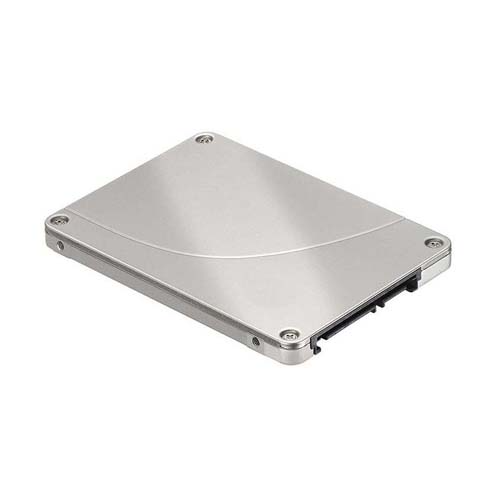
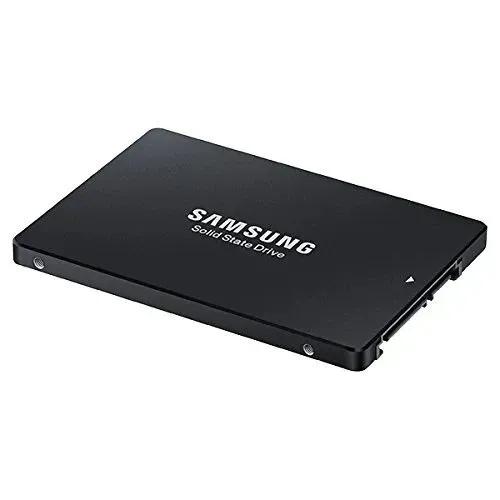
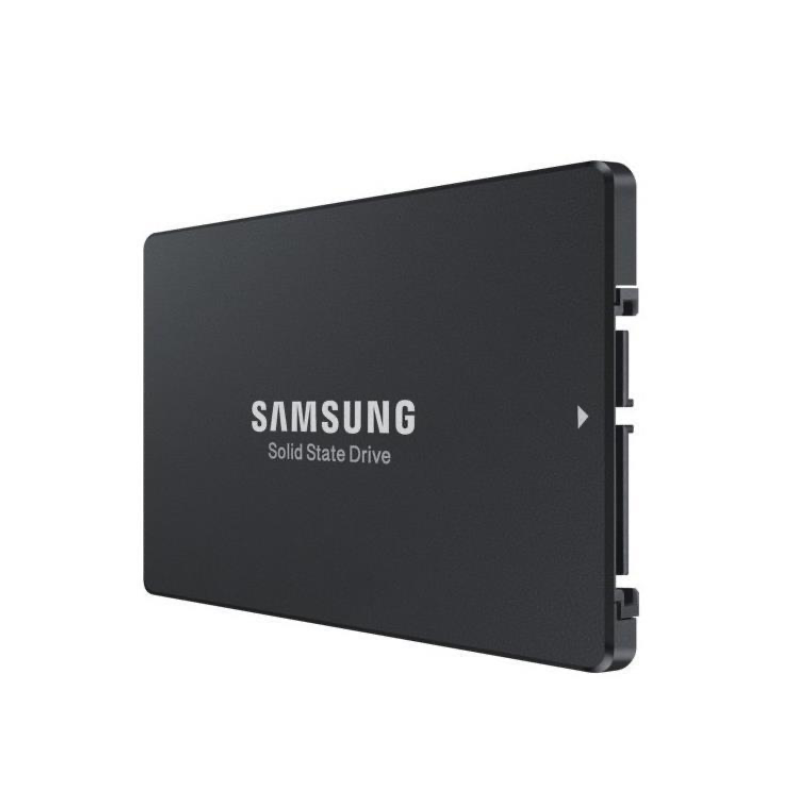
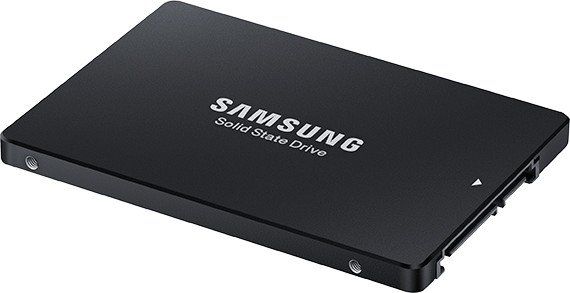
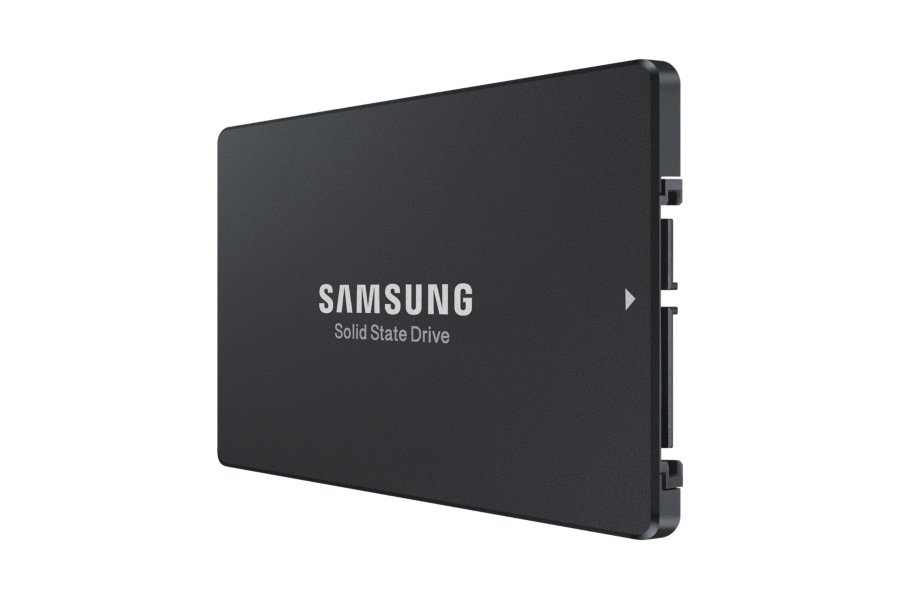
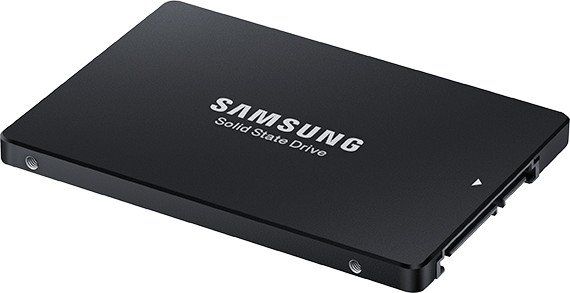
SSDPE21K015TA delivers the distinctive advantage of 3D XPoint in the 1.5 TB Optane DC P4800X platform, combining 550K/550K random IOPS with 30 DWPD and 82 PBW endurance to outperform NAND-based NVMe SSDs in latency-sensitive database logging, high-frequency metadata, and write-intensive cache tiers. Compared with SSDPE21K015TA01, this newer revision offers a more deployment-ready generation update with the same class-leading 2500/2200 MB/s throughput and ultra-high endurance, making it the stronger choice for mission-critical workloads that cannot tolerate QoS instability under sustained write pressure.
With an endurance rating of 82,000 TBW and 30 DWPD, the SSDPE21K015TA is built for extremely write-intensive enterprise workloads and can sustain frequent full-drive writes every day throughout its service life. In practical terms, for typical server or system-disk usage, this level of endurance provides a very large reliability margin and supports long-term deployment with confidence. The SSDPE21K015TA also includes enterprise-grade power-loss protection (PLP), which helps preserve in-flight data and metadata during an unexpected power interruption, reducing the risk of corruption or incomplete writes. Its UBER of 1.0E-17, together with a 2 million hour MTBF, indicates a very low probability of uncorrectable read errors and strong overall reliability for business-critical environments.
1. The NVMe-over-PCIe design removes legacy storage bottlenecks, helping databases, virtual machines, and scale-out applications process more work in parallel with lower software overhead.
2. Its strong sequential throughput speeds up full-dataset scans, backup recovery, and large-file ingestion, cutting turnaround time for bandwidth-heavy enterprise workloads.
3. The drive’s high random-read capability is ideal for OLTP databases, virtualization clusters, and metadata-intensive platforms that depend on fast small-block access at scale.
4. Its exceptionally high endurance rating makes it a strong fit for write-heavy logging, caching, and real-time transactional environments where replacement cycles must be minimized.
5. Using 3D XPoint media, it delivers near-memory-class responsiveness with ultra-low latency, making it especially valuable for journals, indices, and latency-sensitive enterprise applications.
SSDPE21K015TA is generally identified as the Intel Optane SSD DC P4800X 1.5 TB. Lower-capacity reference: 750 GB Higher-capacity reference: No larger standard capacity is offered in the exact same P4800X capacity ladder; 1.5 TB is effectively the top mainstream point in this series. Capacity positioning analysis: At 1.5 TB, this model sits at the practical sweet spot of the lineup. Compared with the 750 GB version, it provides much better space headroom for write-intensive logs, metadata, and steady workload growth, reducing the need for tight capacity control. Since this exact series does not scale to a larger mainstream capacity, 1.5 TB becomes the best balance of density, cost efficiency, and signature Optane-class responsiveness. It is especially well suited for medium-size virtualization or database acceleration nodes supporting roughly 40 to 60 mixed business workloads.
Q: Is SSDPE21K015TA suitable for a write-heavy database server?
A: Yes. SSDPE21K015TA is well suited for write-heavy database workloads, thanks to its 30 DWPD endurance, 82,000 TBW rating, 3D XPoint media, and very low 10 µs typical latency.
Q: How many full drive writes per day can it actually endure over its warranty period?
A: This model is rated for 30 drive writes per day. With 1.5 TB capacity, that equals about 45 TB of writes daily throughout its supported warranty or endurance service period.
Q: Does it include power loss protection (PLP) and why is that critical?
A: Yes, it includes power loss protection. PLP helps preserve in-flight data and metadata during unexpected outages, which is critical for databases, transactional systems, and maintaining storage consistency.
Q: What RAID level is recommended for this SSD?
A: RAID 10 is typically recommended for this SSD in performance-sensitive enterprise environments, because it balances strong read/write speed, redundancy, and fast rebuild behavior better than parity-based RAID levels.