

 Secure payments
Standard refund policy
Trade Assurance
Secure payments
Standard refund policy
Trade Assurance
| Brand | Micron |
|---|---|
| Model | M600 |
| Capacity | 256GB |
| Usage Class | Client |
| Host Interface | SATA 6Gb/s |
|---|---|
| Total Interface Bandwidth | 6 Gb/s |
| Form Factor | 2.5" 7mm |
|---|
| NAND Flash | 16nm MLC |
|---|---|
| Drive Writes Per Day | 0.43 |
| Total Bytes Written | 200 TBW |
| Sequential Read | 560 MB/s |
|---|---|
| Sequential Write | 510 MB/s |
| Random Read IOPS | 100000 |
| Random Write IOPS | 88000 |
| Average Latency | μs |
| Mean Time Between Failures | 1.5 Million Hours |
|---|---|
| Uncorrectable Bit Error Rate | 1.0×10⁻¹⁷ |
| Power Loss Protection | Yes |
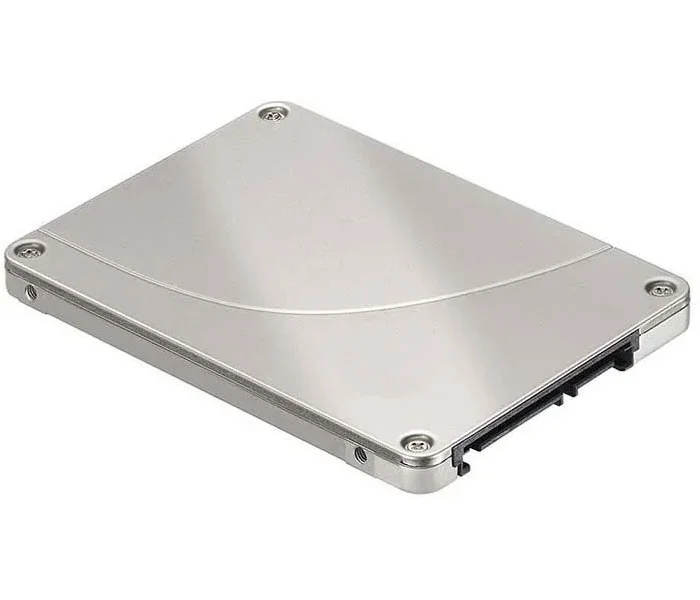
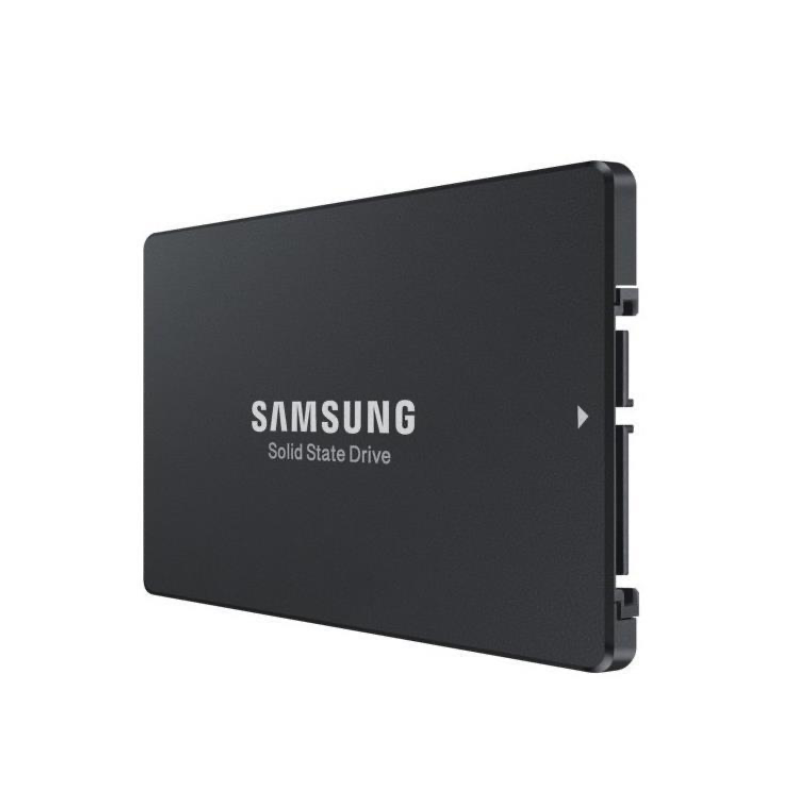
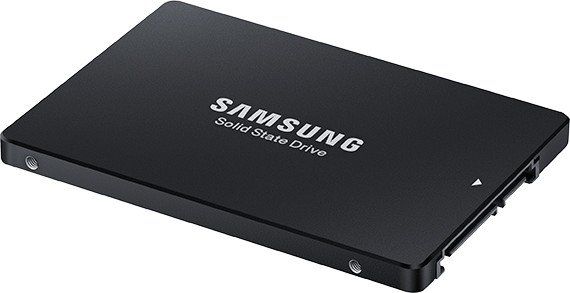
The MTFDDAK256MBF-1AN1ZA (M600 256GB) is a strong fit for read-intensive boot, caching, and edge-server deployments that need enterprise-grade SATA performance, delivering up to 560/510 MB/s and 100K/88K IOPS with the consistency of 16nm MLC NAND. With 200 TBW endurance and 0.43 DWPD, it offers a more durable and latency-stable alternative to typical client TLC SATA SSDs in the same capacity class, making it especially well suited for infrastructure nodes that prioritize predictable service life over lowest upfront cost.
With an endurance rating of 200 TBW and 0.43 DWPD, the MTFDDAK256MBF-1AN1ZA is well suited for typical boot, OS, and general embedded or edge system workloads where daily write volumes are moderate. In practical terms, for a system drive or read-centric application, this level of endurance can comfortably support long-term operation over many years, often making 10-year service life achievable under normal usage patterns. For enterprise-style reliability, built-in power-loss protection helps preserve in-flight data and metadata during unexpected power interruptions, reducing the risk of corruption and unclean shutdown effects. Its UBER of 1.0E-15 and MTBF of 1.5 million hours indicate a design focused on dependable data integrity and stable long-term operation, giving buyers added confidence for business-critical deployments.
1. The SATA 6Gb/s interface enables straightforward drop-in deployment across legacy and mixed enterprise storage platforms, reducing upgrade friction in existing server fleets.
2. With sequential read performance of 560 MB/s, the drive accelerates large-file access such as boot images, database snapshots, and analytics dataset loading.
3. Delivering 100,000 K IOPS in random reads, it sustains responsive performance for metadata-heavy virtualization, OLTP, and high-concurrency read caching workloads.
4. Rated at 0.43 DWPD, the drive is well matched to read-centric enterprise use cases where predictable endurance and lower cost per deployed terabyte matter more than intensive daily overwrites.
5. Built on 16nm MLC NAND, it provides a strong balance of data retention, write stability, and long-term consistency that enterprise operators value in always-on environments.
Suggested adjacent capacities in the same series: Lower capacity: 128GB, likely MPN MTFDDAK128MBF-1AN1ZA Higher capacity: 512GB, likely MPN MTFDDAK512MBF-1AN1ZA Capacity positioning analysis: The 256GB model sits in the sweet spot of this enterprise SSD family. Compared with the 128GB version, it gives materially better headroom for OS images, logs, metadata, and application growth, reducing early capacity pressure in always-on environments. Compared with the 512GB option, it usually delivers the best balance of acquisition cost, usable space, and near-equivalent sequential and random performance for mainstream enterprise workloads. It is especially well suited for small to mid-sized virtualization clusters, such as hosting boot and utility volumes for roughly 35 to 50 infrastructure-focused virtual machines.
Q: Is MTFDDAK256MBF-1AN1ZA suitable for a write-heavy database server?
A: It can support moderate enterprise write workloads, but with 0.43 DWPD and 200 TBW, it is not ideal for highly write-intensive database servers. Higher-endurance SSDs would be a better fit.
Q: How many full drive writes per day can it actually endure over its warranty period?
A: This model is rated at 0.43 DWPD, meaning it can sustain about 0.43 full drive writes per day over its warranty period, based on its 256GB capacity and endurance specification.
Q: Does it include power loss protection (PLP) and why is that critical?
A: Yes, it includes power loss protection. PLP is critical because it helps preserve in-flight data and metadata during unexpected power failure, reducing corruption risk and improving system reliability.
Q: What RAID level is recommended for this SSD?
A: For enterprise use, RAID 1 or RAID 10 is generally recommended for this SSD, as these levels provide strong redundancy and solid performance without the write penalty of RAID 5 or 6.