

 Secure payments
Standard refund policy
Trade Assurance
Secure payments
Standard refund policy
Trade Assurance
| Brand | Micron |
|---|---|
| Model | 1100 |
| Capacity | 256GB |
| Usage Class | Client |
| Host Interface | SATA 6Gb/s |
|---|---|
| Total Interface Bandwidth | 6 Gb/s |
| Form Factor | 2.5" 7mm |
|---|
| NAND Flash | 3D TLC |
|---|---|
| Drive Writes Per Day | 0.25 |
| Total Bytes Written | 120 TBW |
| Sequential Read | 530 MB/s |
|---|---|
| Sequential Write | 500 MB/s |
| Random Read IOPS | 55000 |
| Random Write IOPS | 83000 |
| Average Latency | μs |
| Mean Time Between Failures | 1.5 Million Hours |
|---|---|
| Uncorrectable Bit Error Rate | 1.0×10⁻¹⁷ |
| Power Loss Protection | No |
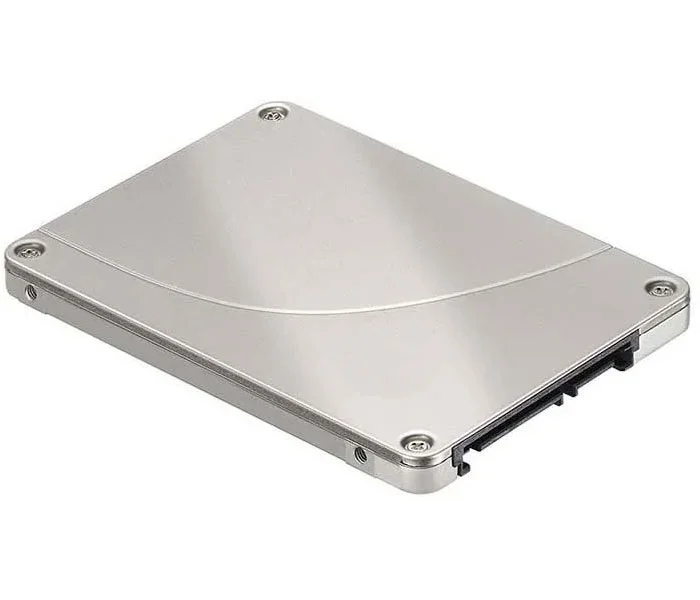
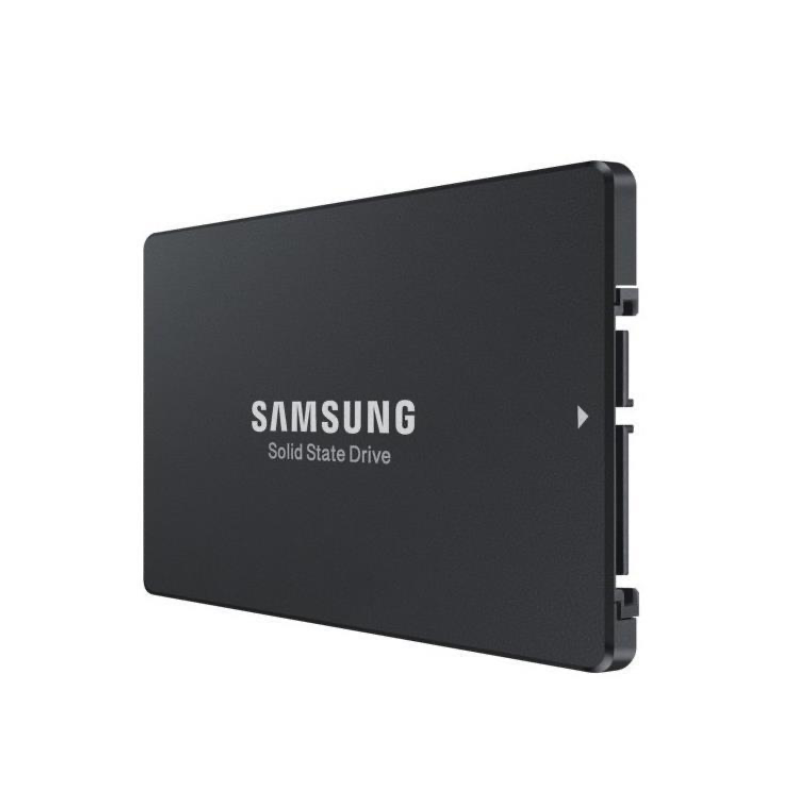
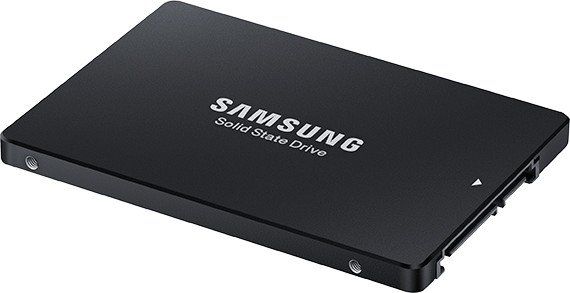
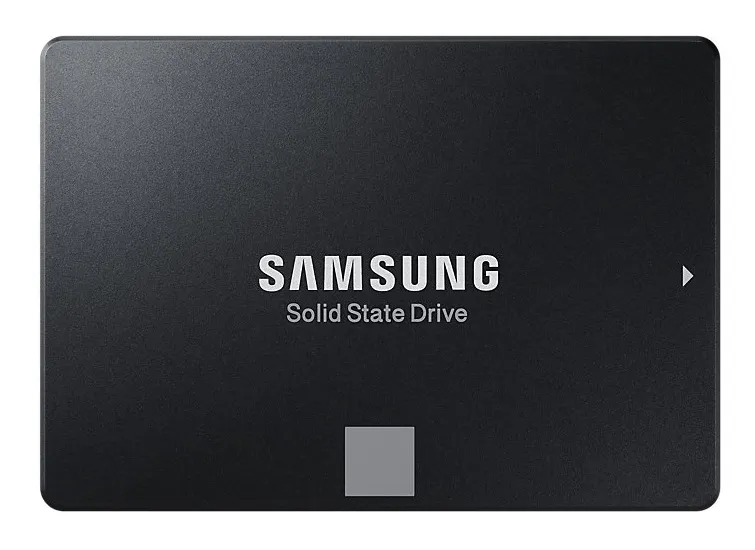
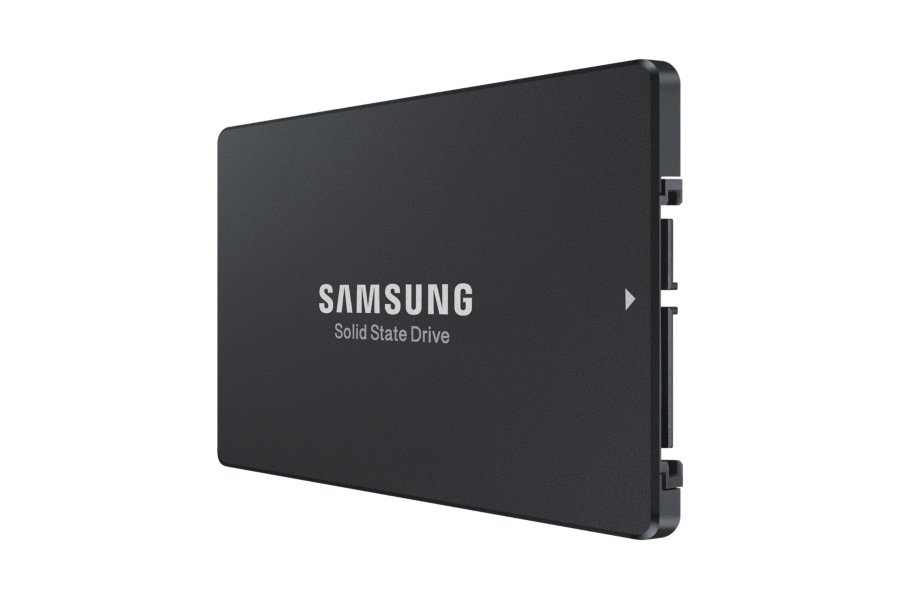
The Micron 1100 256GB (MTFDDAK256TBN-1AR12ABYY) is best suited for read-centric client and edge workloads such as OS boot drives, VDI images, and CDN/content-cache nodes, where its 530/500 MB/s sequential performance and 55K/83K IOPS deliver near-SATA saturation with lower cost than higher-end mixed-use SSDs. With 3D TLC NAND and 120 TBW endurance in a 0.25 DWPD profile, it offers a strong balance of capacity efficiency, predictable responsiveness, and deployment economics for fleets that need reliable SATA performance without paying for unnecessary write endurance.
With an endurance rating of 120 TBW and 0.25 DWPD, this 256GB SSD is well suited for typical read-intensive use such as OS boot, office applications, thin clients, and general-purpose embedded or industrial systems. In practical terms, a workload of about 30GB of host writes per day would stay within the 120 TBW rating for roughly 10 years, making it a solid choice for system-drive deployments with moderate daily write activity. For reliability, the drive is rated at 1.5 million hours MTBF and an UBER of 1.0E-15, meaning the expected unrecoverable bit error rate is very low and aligned with standard enterprise SSD quality expectations for data integrity. This model does not include power-loss protection, so while it is dependable for normal operation, it is best used in platforms with stable power or upstream power-fail safeguards when protection of in-flight write data is required.
1. The SATA 6Gb/s interface provides broad drop-in compatibility with existing enterprise backplanes and controllers, enabling cost-efficient SSD upgrades without platform changes.
2. With 530 MB/s sequential read performance, this drive accelerates boot storms, backup restores, and large-file access in read-heavy business environments.
3. Delivering 55,000 random read IOPS, it helps databases, virtual desktop pools, and metadata-driven workloads respond faster under highly fragmented access patterns.
4. Rated for 0.25 DWPD, the drive is well suited to read-centric enterprise deployments where predictable reliability matters more than sustained heavy overwrite activity.
5. Built on 3D TLC NAND, it balances enterprise-class capacity, power efficiency, and cost, making it a practical choice for scaling mainstream data center storage.
Lower capacity reference: 128GB Higher capacity reference: 512GB In this enterprise SSD family, 256GB is the practical sweet spot. Compared with the 128GB option, it gives meaningfully better space headroom for OS images, logs, swap, patches, and application growth, reducing early capacity pressure in always-on environments. Compared with the 512GB model, it keeps acquisition cost and replacement budgeting tighter while delivering essentially the same enterprise-class sequential throughput and random IOPS profile for mainstream workloads. This makes 256GB especially well suited for small-to-mid virtualization clusters, such as boot and utility storage for around 30 to 50 infrastructure nodes.
Q: Is MTFDDAK256TBN-1AR12ABYY suitable for a write-heavy database server?
A: This model is generally not ideal for write-heavy database servers. With 3D TLC NAND and 0.25 DWPD, it is better suited for read-centric or mixed workloads with moderate write intensity.
Q: How many full drive writes per day can it actually endure over its warranty period?
A: It is rated for 0.25 DWPD, meaning about one quarter of its 256GB capacity can be written daily over the warranty period. That equals roughly 64GB of writes per day.
Q: Does it include power loss protection (PLP) and why is that critical?
A: No, this SSD does not include power loss protection. PLP is critical in enterprise environments because it helps prevent in-flight data loss and reduces metadata corruption during unexpected power failures.
Q: What RAID level is recommended for this SSD?
A: For most business applications, RAID 1 or RAID 10 is recommended to improve redundancy and availability. RAID 10 is preferable for better performance, while RAID 1 is suitable for simpler deployments.