

 Secure payments
Standard refund policy
Trade Assurance
Secure payments
Standard refund policy
Trade Assurance
| Brand | Micron |
|---|---|
| Model | 5200 PRO |
| Capacity | 480GB |
| Usage Class | Read-Intensive |
| Host Interface | SATA |
|---|---|
| Total Interface Bandwidth | 6 Gb/s |
| Form Factor | 2.5 |
|---|
| NAND Flash | 64-layer 3D TLC |
|---|---|
| Drive Writes Per Day | 1.5 |
| Total Bytes Written | 1314 TBW |
| Sequential Read | 540 MB/s |
|---|---|
| Sequential Write | 520 MB/s |
| Random Read IOPS | 95000 |
| Random Write IOPS | 28000 |
| Average Latency | μs |
| Mean Time Between Failures | 3 Million Hours |
|---|---|
| Uncorrectable Bit Error Rate | 1.0×10⁻¹⁷ |
| Power Loss Protection | Yes |
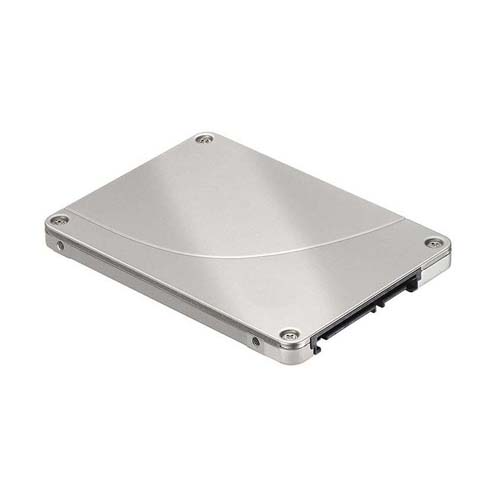
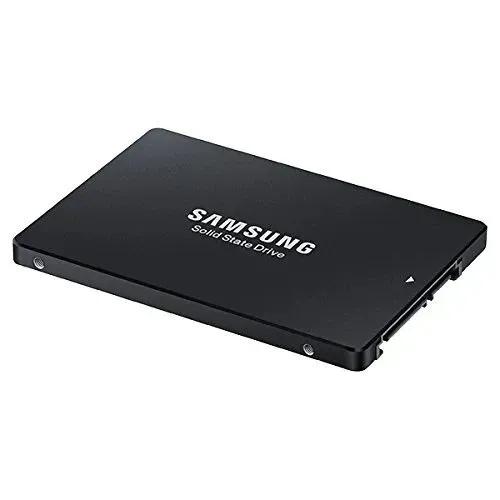
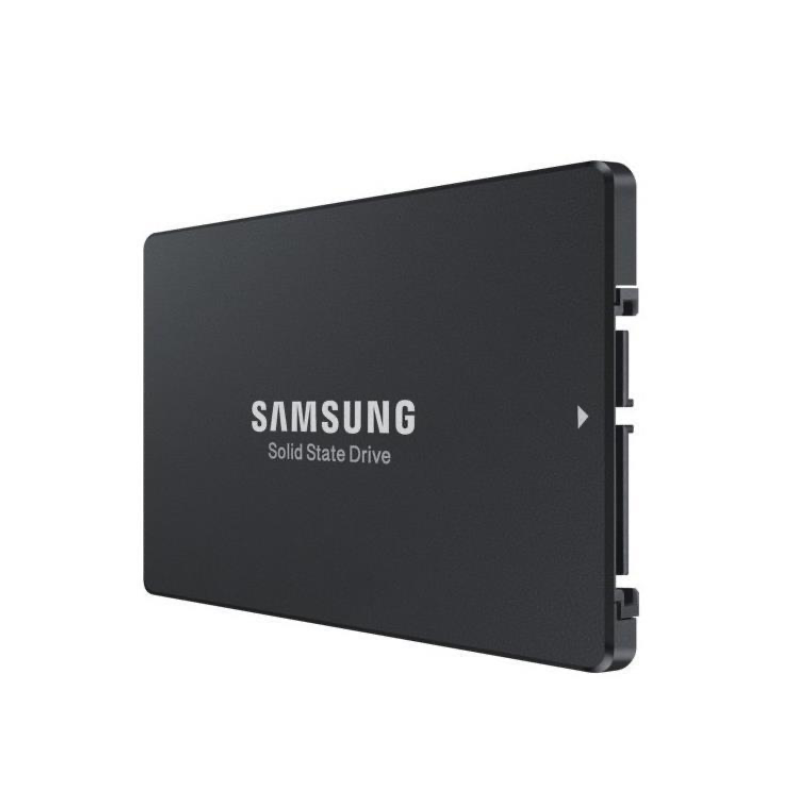
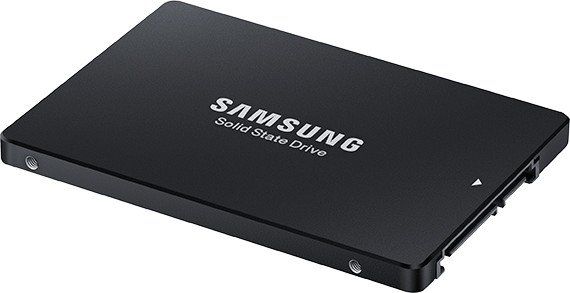
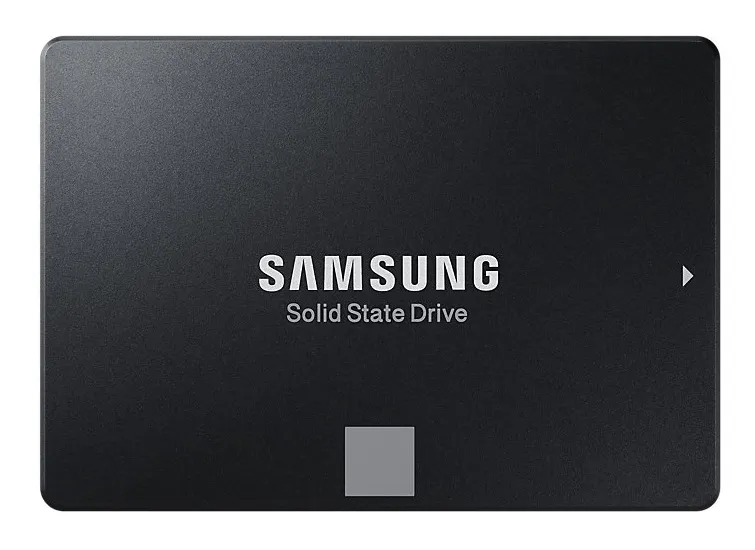
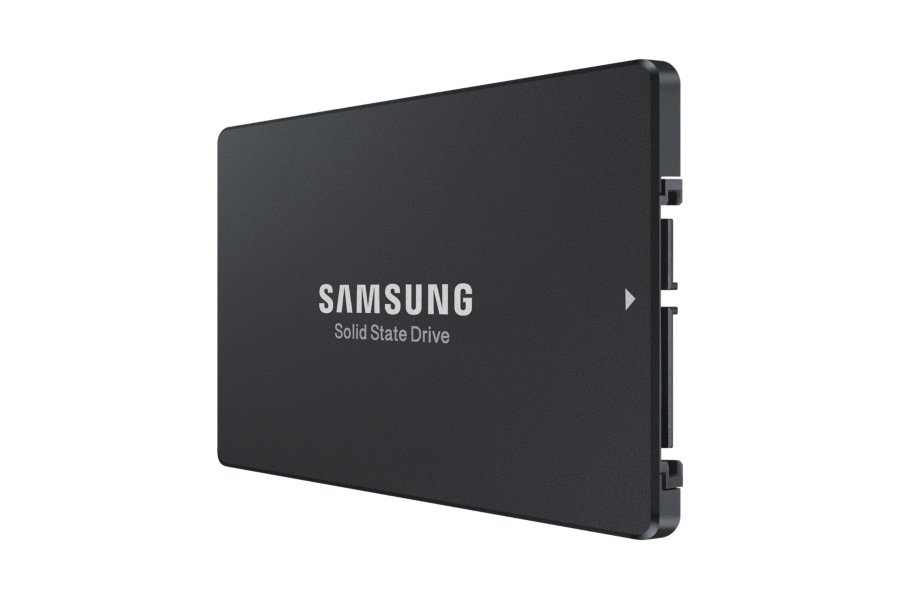
The Micron 5200 PRO 480GB (MTFDDAK480TDT-1AW16ABDB) is purpose-built for read-centric and mixed-use SATA server workloads such as boot volumes, virtualization hosts, and CDN edge caching, combining 1.5 DWPD endurance with 1314 TBW to deliver stronger sustained write tolerance than typical entry enterprise SATA SSDs. With 64-layer 3D TLC NAND, up to 540/520 MB/s sequential performance, and 95K/28K random IOPS, it offers a balanced upgrade path for infrastructure that needs enterprise reliability and predictable latency without moving to a higher-cost NVMe tier.
With an endurance rating of 1314 TBW and 1.5 DWPD, the MTFDDAK480TDT-1AW16ABDB is designed to handle sustained daily writes well beyond typical OS, application, logging, and general enterprise boot-drive workloads. In practical terms, for most system-disk use cases this level of endurance supports many years of stable operation, making it a dependable choice for long-term deployment with substantial write margin under normal conditions. For enterprise reliability, built-in power-loss protection helps preserve in-flight data and maintain metadata integrity if power is interrupted unexpectedly, reducing the risk of corruption during outages or server events. Its UBER of 1.0E-17 indicates an extremely low unrecoverable bit error rate, supporting high data integrity expectations in business environments, while the 3 million hour MTBF further reflects a design optimized for dependable continuous operation.
1. The SATA interface ensures broad compatibility with mainstream enterprise servers and storage arrays, making it a low-risk upgrade path for boot volumes, read-centric application tiers, and legacy infrastructure refreshes.
2. Its sequential read performance accelerates large-file access and bulk data retrieval, helping analytics platforms, media repositories, and backup recovery jobs complete faster.
3. Strong random read capability supports highly responsive access to small-block data, which is critical for virtualized environments, OLTP databases, and metadata-heavy workloads.
4. The 1.5 DWPD endurance rating provides the write durability needed for always-on business applications, giving IT teams confidence in steady performance across multi-year service life.
5. Built with 64-layer 3D TLC NAND, the drive balances enterprise-grade capacity efficiency, power-conscious operation, and dependable cost-per-GB for scale-out deployments.
Lower capacity reference: 240GB Higher capacity reference: 960GB In this series, the 480GB model is the practical sweet spot. Compared with the 240GB version, it gives noticeably better headroom for OS images, logs, patches, and application growth, reducing the risk of early capacity pressure. Compared with the 960GB option, it keeps acquisition cost and fleet-wide budget under tighter control while delivering essentially the same enterprise-class sequential throughput and random IOPS profile. This makes 480GB especially well suited for mid-scale deployments, such as boot and application drives for around 40–60 virtualized infrastructure nodes or edge servers.
Q: Is MTFDDAK480TDT-1AW16ABDB suitable for a write-heavy database server?
A: Yes. With 1.5 DWPD, 1314 TBW endurance, 64-layer 3D TLC NAND, and PLP support, this 480GB SATA SSD is suitable for write-intensive database and mixed enterprise workloads.
Q: How many full drive writes per day can it actually endure over its warranty period?
A: It is rated for 1.5 full drive writes per day. For a 480GB drive, that equals about 720GB of writes daily across the warranty period within specification.
Q: Does it include power loss protection (PLP) and why is that critical?
A: Yes, it includes power loss protection. PLP helps preserve in-flight data and mapping tables during sudden outages, reducing corruption risk and improving reliability in enterprise environments.
Q: What RAID level is recommended for this SSD?
A: RAID 1, RAID 10, or RAID 5/6 may be used depending on priorities. For database workloads, RAID 10 is typically recommended for stronger performance, redundancy, and rebuild efficiency.