

 Secure payments
Standard refund policy
Trade Assurance
Secure payments
Standard refund policy
Trade Assurance
| Brand | Samsung |
|---|---|
| Model | 860 PRO |
| Capacity | 4 TB |
| Usage Class | Client / Consumer High Endurance |
| Host Interface | SATA 6.0 Gbps |
|---|---|
| Total Interface Bandwidth | 6 Gb/s |
| Form Factor | 2.5" |
|---|
| NAND Flash | Samsung V-NAND 2bit MLC |
|---|---|
| Drive Writes Per Day | 0.65 |
| Total Bytes Written | 4800 TBW |
| Sequential Read | 560 MB/s |
|---|---|
| Sequential Write | 530 MB/s |
| Random Read IOPS | 100000 |
| Random Write IOPS | 90000 |
| Average Latency | 50 μs |
| Mean Time Between Failures | 1.5 Million Hours |
|---|---|
| Uncorrectable Bit Error Rate | 1.0×10⁻¹⁷ |
| Power Loss Protection | No |
| MPN | MZ-75P2T0BW |
|---|
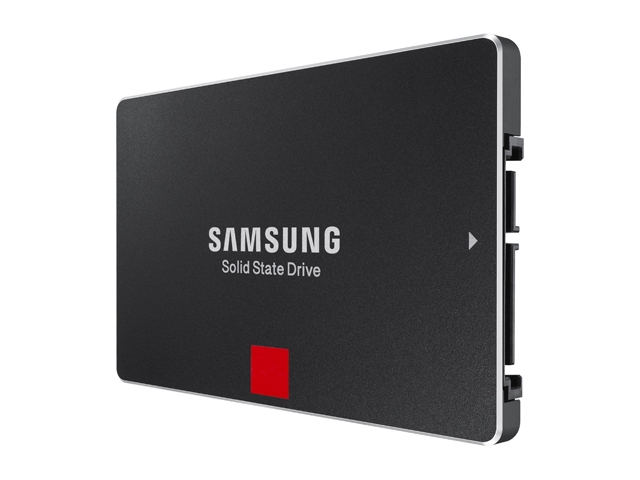
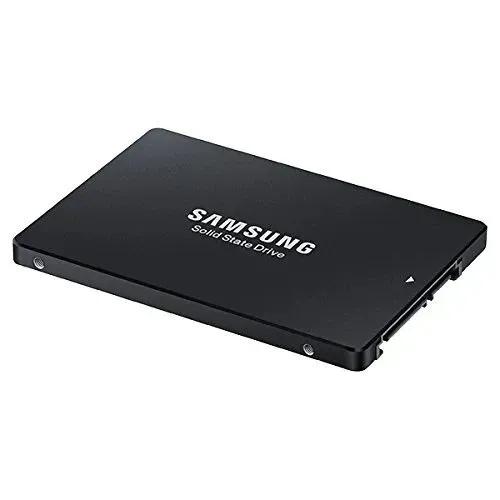
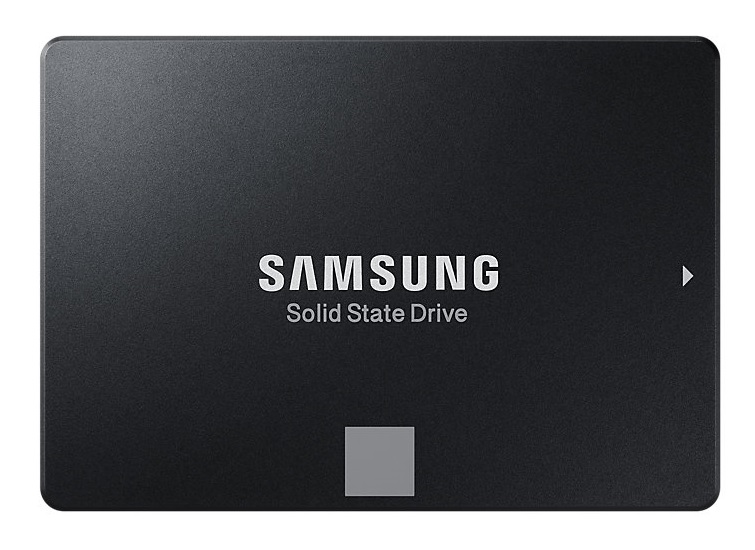
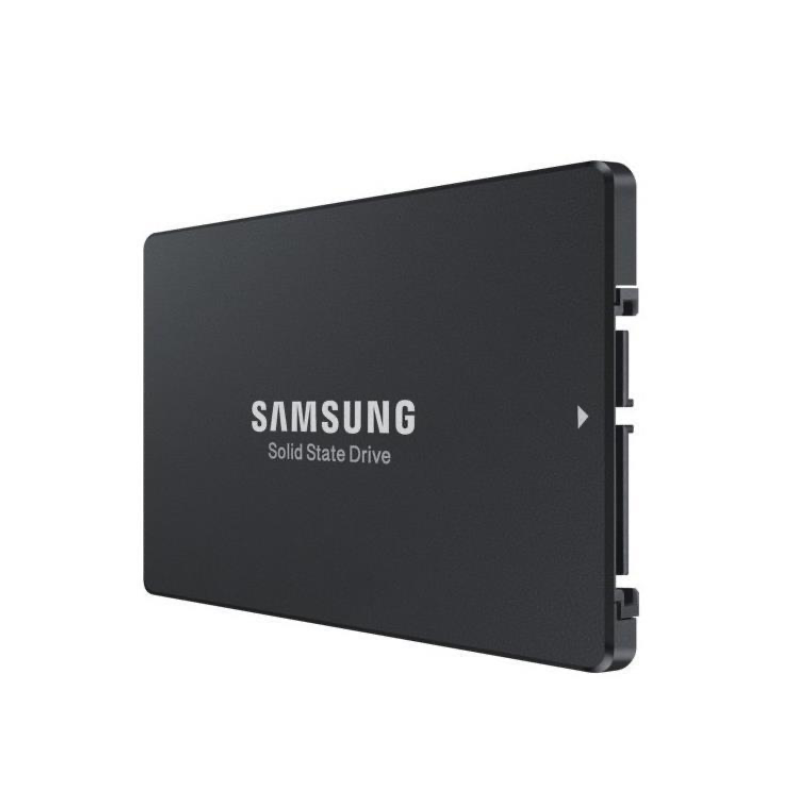
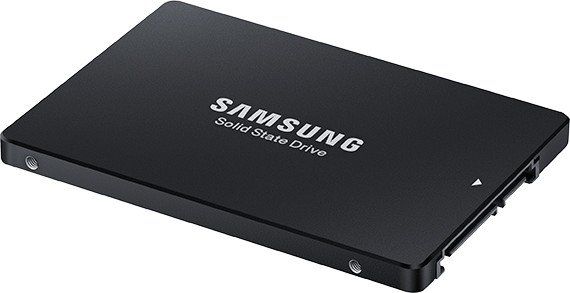
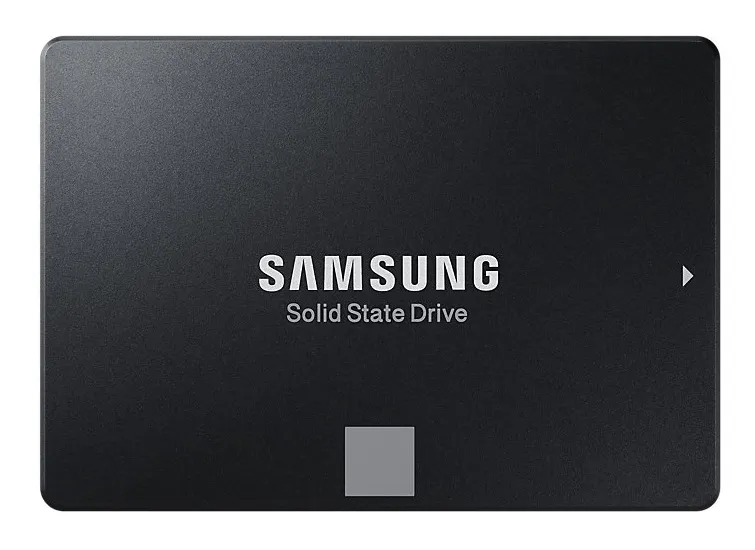
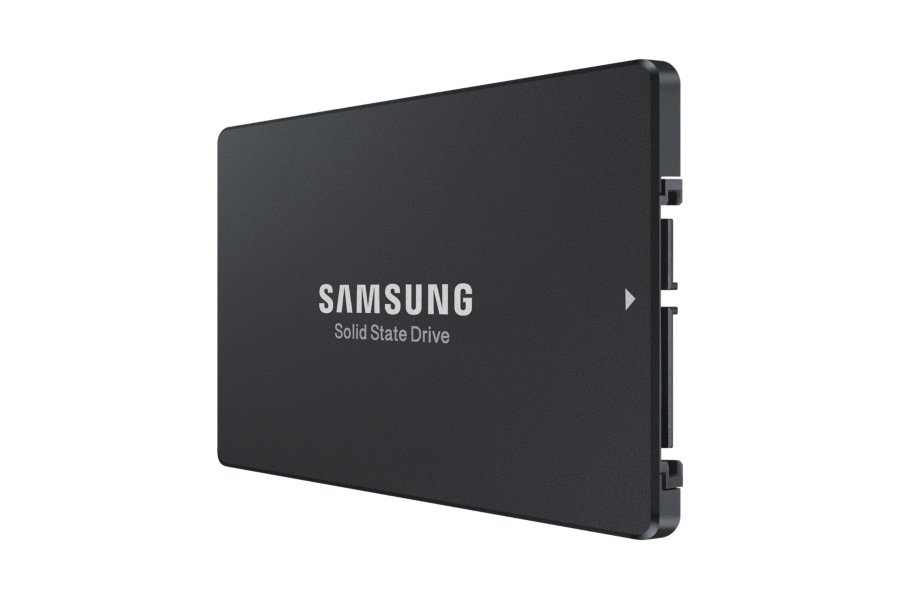
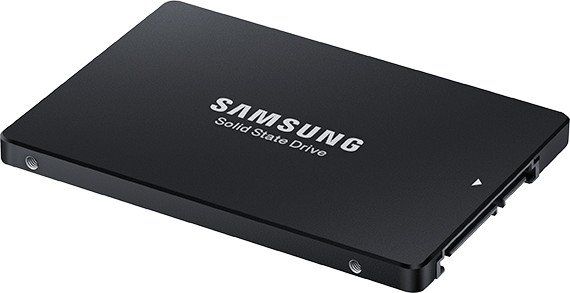
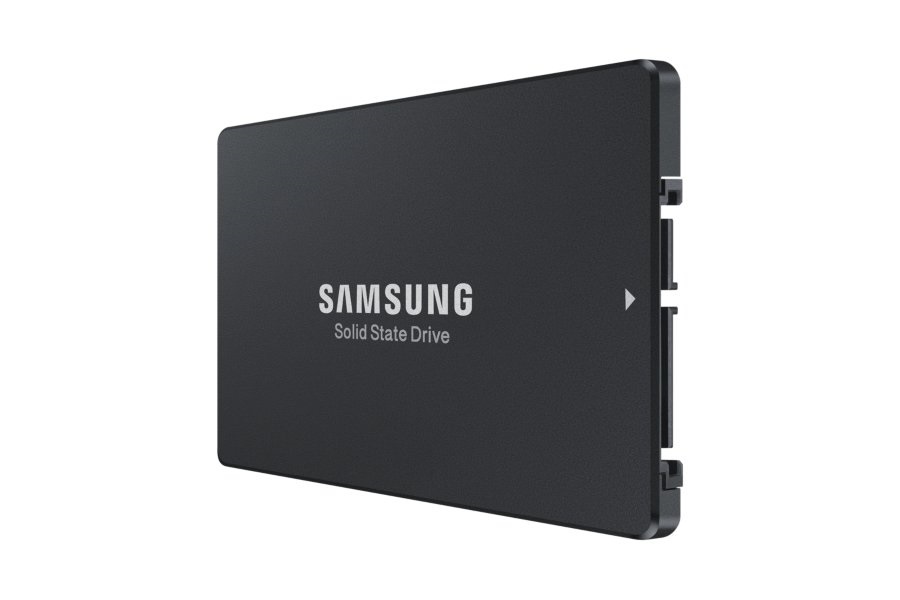
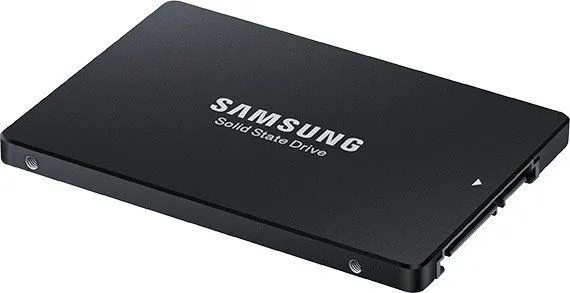
The Samsung 860 PRO 4 TB (MZ-76P4T0BW) stands out as a high-endurance SATA SSD that combines Samsung V-NAND 2bit MLC with 4,800 TBW, 0.65 DWPD, and near-interface-limit performance of 560/530 MB/s and 100,000/90,000 IOPS, making it a strong fit for write-intensive workstation, content creation, and cache-tier deployments that still require SATA. Compared with the previous-generation MZ-75P2T0BW, it delivers a clear generational uplift by doubling maximum capacity to 4 TB while preserving top-tier SATA responsiveness and extending endurance headroom for longer sustained service life.
With an endurance rating of 4,800 TBW and 0.65 DWPD, the MZ-76P4T0BW is designed to handle sustained daily writing over its full 4TB capacity, making it well suited for typical server boot, application, caching, and read-intensive storage workloads. In practical terms, for common system-disk and general business use, this level of endurance provides substantial headroom for many years of operation without endurance-related concern. From a reliability perspective, the specified UBER of 1.0E-15 means the drive is built to maintain a very low rate of unrecoverable read errors, which is an important indicator of dependable data access in business environments. This model does not include power-loss protection (PLP), so while it is a strong fit for workloads where abrupt power interruption is mitigated at the system level, deployments handling in-flight write-critical data should use stable power design or additional protection at the platform layer.
1. The SATA 6.0 Gbps interface ensures broad compatibility with mainstream enterprise servers and storage arrays, making upgrades simple while delivering dependable throughput for read-centric production workloads.
2. Sequential read performance of 560 MB/s helps accelerate backup restores, log replay, and large-file access, reducing wait time in data-serving environments.
3. Up to 100,000 random-read IOPS, paired with a typical latency of 50 µs, keeps database queries, virtual desktop sessions, and heavily threaded applications consistently responsive under parallel access.
4. A 0.65 DWPD endurance rating is well suited to mixed-use enterprise deployments that need predictable lifespan and lower replacement frequency without paying for unnecessary write headroom.
5. Samsung V-NAND 2bit MLC provides a strong balance of durability, performance consistency, and data integrity, making it a reliable choice for business-critical storage tiers.
Lower capacity reference: 2 TB — MPN MZ-76P2T0BW Higher capacity reference: None in the same series — 4 TB is the largest capacity in the Samsung 860 PRO family. In the Samsung 860 PRO lineup, the 4 TB model sits at the practical sweet spot for capacity-led deployments. Compared with the 2 TB version, it gives much more headroom for VM growth, log retention, snapshots, and mixed application datasets without changing the familiar SATA performance profile. At the same time, it avoids the budget jump and platform migration considerations that usually come with moving to a higher-capacity storage tier outside this series. It is well suited for a mid-sized virtualization cluster, such as hosting boot and application volumes for roughly 60 to 80 business workloads.
Q: Is MZ-76P4T0BW suitable for a write-heavy database server?
A: It offers strong endurance with 0.65 DWPD and 4800 TBW, but it lacks power loss protection. For write-heavy transactional databases, we recommend models with PLP for better data integrity and reliability.
Q: How many full drive writes per day can it actually endure over its warranty period?
A: This SSD is rated for 0.65 drive writes per day. On a 4 TB capacity, that equals about 2.6 TB of writes daily, typically calculated across a 5-year warranty period.
Q: Does it include power loss protection (PLP) and why is that critical?
A: No, this model does not include PLP. That matters because PLP helps protect in-flight data and mapping tables during sudden power loss, reducing corruption risk in enterprise workloads.
Q: What RAID level is recommended for this SSD?
A: For business use, RAID 1 or RAID 10 is generally recommended, especially for databases. These levels provide stronger redundancy and recovery behavior than parity RAID in write-sensitive environments.