

 Secure payments
Standard refund policy
Trade Assurance
Secure payments
Standard refund policy
Trade Assurance
| Brand | Samsung |
|---|---|
| Model | PM871b |
| Capacity | 256GB |
| Usage Class | Client |
| Host Interface | SATA |
|---|---|
| Total Interface Bandwidth | 6 Gb/s |
| Form Factor | 2.5 |
|---|
| NAND Flash | TLC V-NAND |
|---|---|
| Drive Writes Per Day | 0.3 |
| Total Bytes Written | 75 TBW |
| Sequential Read | 540 MB/s |
|---|---|
| Sequential Write | 500 MB/s |
| Random Read IOPS | 97000 |
| Random Write IOPS | 88000 |
| Average Latency | 50 μs |
| Mean Time Between Failures | 1.5 Million Hours |
|---|---|
| Uncorrectable Bit Error Rate | 1.0×10⁻¹⁷ |
| Power Loss Protection | No |
| MPN | MZ7LN256HCHP |
|---|
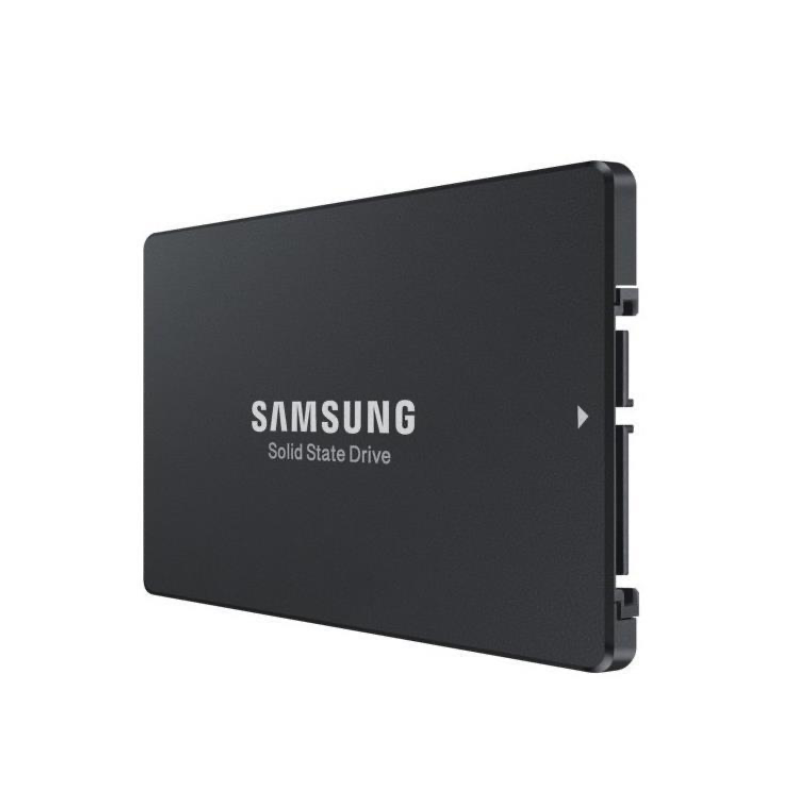
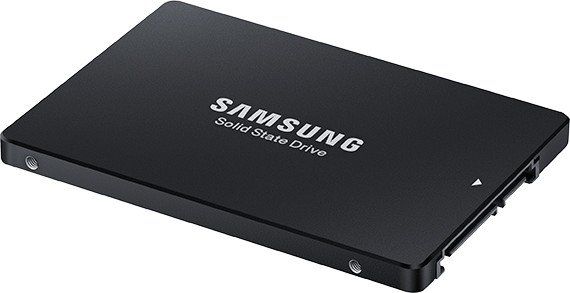
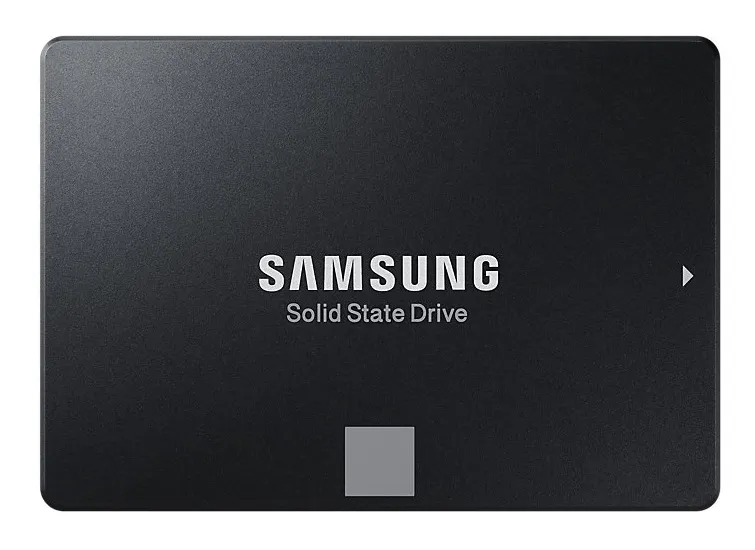
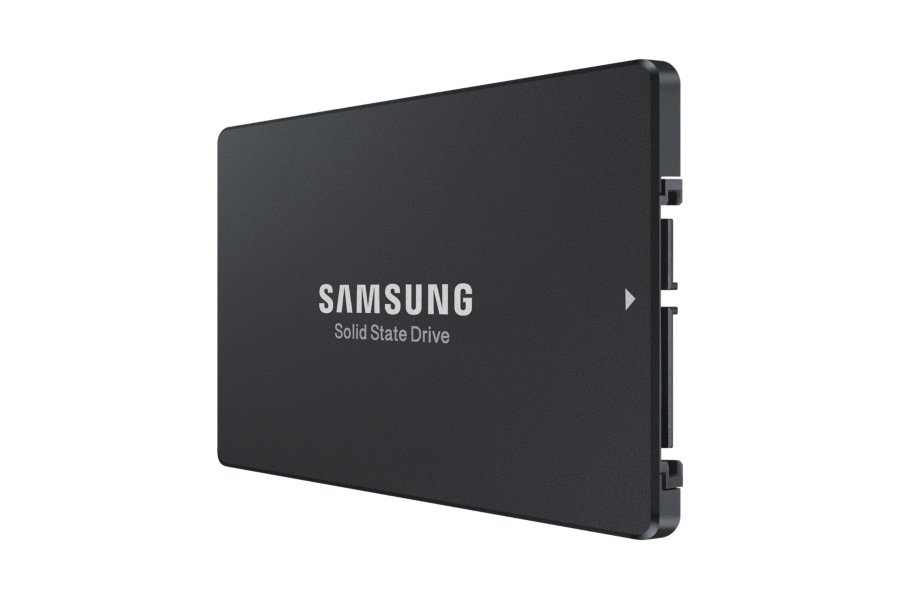
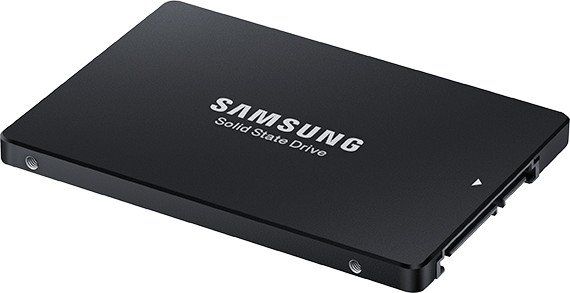
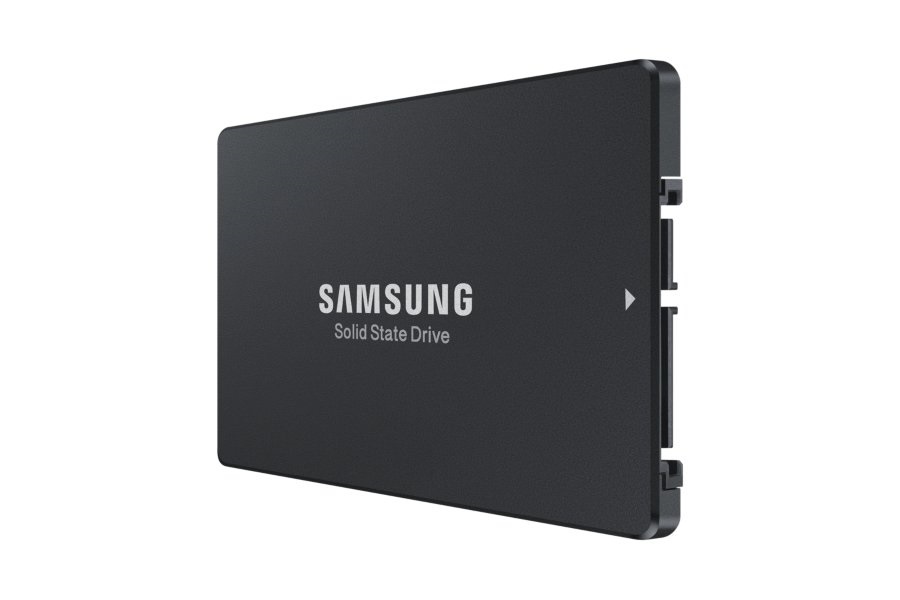
Compared with the previous-generation MZ7LN256HCHP, the Samsung PM871b MZ-7LN256F moves to a newer TLC V-NAND platform and delivers up to 540/500 MB/s sequential performance with 97,000/88,000 IOPS, providing stronger SATA-limited responsiveness for boot drives, VDI images, and mainstream client workloads. Its 75 TBW endurance rating at 256GB, combined with mature SATA interoperability and 0.3 DWPD reliability, makes it a higher-value refresh choice where consistent read-heavy performance and deployment stability matter more than NVMe migration.
With an endurance rating of 75 TBW, the MZ-7LN256F is well suited for typical client and boot-drive workloads, such as operating system, office applications, and general daily use. In practical terms, a system writing around 20 GB per day would take more than 10 years to reach the rated write endurance, giving purchasers confidence for read-heavy and normal business PC deployments. For reliability, the drive is specified at 1.5 million hours MTBF and an UBER of 1.0E-15, meaning the risk of unrecoverable bit errors remains very low and aligned with standard SATA SSD expectations. This model does not include power-loss protection, so while it is a solid choice for client systems and non-critical write environments, applications requiring protection against sudden power interruption during in-flight writes should use a drive with PLP.
1. The SATA interface enables drop-in compatibility with mainstream enterprise servers and storage arrays, making this drive an easy upgrade for legacy infrastructure without platform changes.
2. Its sequential read performance supports fast boot, backup, and large-file retrieval workflows, helping application and virtual machine datasets move quickly through bandwidth-limited environments.
3. Strong random read capability makes it well suited for read-heavy enterprise workloads such as virtualization, web hosting, and database lookup operations where responsive access to small blocks matters most.
4. The TLC V-NAND design paired with a modest write-endurance rating fits cost-sensitive enterprise deployments with predictable write volumes, such as boot drives, content delivery, and read-centric storage tiers.
5. Low typical latency helps reduce storage response time at the transaction level, improving consistency for business applications that depend on fast access to frequently requested data.
Lower-capacity reference: 128GB Higher-capacity reference: 512GB At 256GB, the MZ-7LN series hits a practical sweet spot. Compared with the 128GB model, it gives noticeably more headroom for OS images, application binaries, logs, and patch growth, reducing space pressure in always-on enterprise environments. Compared with the 512GB version, it keeps acquisition cost tighter while delivering essentially similar mainstream sequential and random I/O behavior for common boot and mixed-read workloads. This makes 256GB a strong fit for a compact virtualization cluster, such as hosting system volumes for about 30 to 50 light-duty virtual machines.
Q: Is MZ-7LN256F suitable for a write-heavy database server?
A: No. With TLC V-NAND, 0.3 DWPD, 75 TBW, and no power loss protection, it is better suited for read-focused or light mixed workloads than write-heavy database servers.
Q: How many full drive writes per day can it actually endure over its warranty period?
A: Its rated endurance is 0.3 full drive writes per day, which equals about 77GB of writes daily on a 256GB SSD, up to its total 75TB TBW limit.
Q: Does it include power loss protection (PLP) and why is that critical?
A: No, it does not include PLP. This matters because PLP helps protect in-flight data and mapping tables during sudden power loss, reducing corruption risk in business-critical systems.
Q: What RAID level is recommended for this SSD?
A: For server use, RAID 1 or RAID 10 is recommended. These levels improve redundancy and rebuild behavior while avoiding the extra write penalty common with parity-based RAID.