
 Secure payments
Standard refund policy
Trade Assurance
Secure payments
Standard refund policy
Trade Assurance
| Product Model | ThinkSystem SR860 V3 |
|---|---|
| Product Series | V3 4th Generation |
| Form Factor | 4U Rack Mount |
| Processor Generation | 4th Gen Intel Xeon Scalable |
| Standard Processor | Xeon Platinum 8458P |
| Core Count | 44 Cores |
| Thread Count | 88 Threads |
| Base Frequency | 2.70GHz |
| Max Turbo Frequency | 3.80GHz |
| L3 Cache | 60MB |
| Memory Type | DDR5-4800 |
| Memory Slots | 96 DIMM Slots |
| Max Memory Capacity | 12TB |
| Controller Type | SAS-4 24Gb |
| RAID Levels | 0,1,5,6,10,50,60 |
| PCIe Standard | PCIe 5.0 |
| Expansion Slots | Up to 24 PCIe Slots |
| OCP Standard | OCP 3.0 NIC |
| Network Interface | Optional 100/200GbE |
| Management System | XClarity Enterprise |
| Remote Management | Out-of-Band Management |
| Security Features | TPM 2.0, Secure Boot |
| Power Configuration | Dual Redundant PSU |
| Power Efficiency | 80 PLUS Platinum |
| Cooling System | Intelligent Air Cooling + Liquid Cooling Option |
| Chassis Dimensions | 175×447×800mm |
| Max Weight | 85kg |
| Supported OS | Windows Server, Linux, VMware |
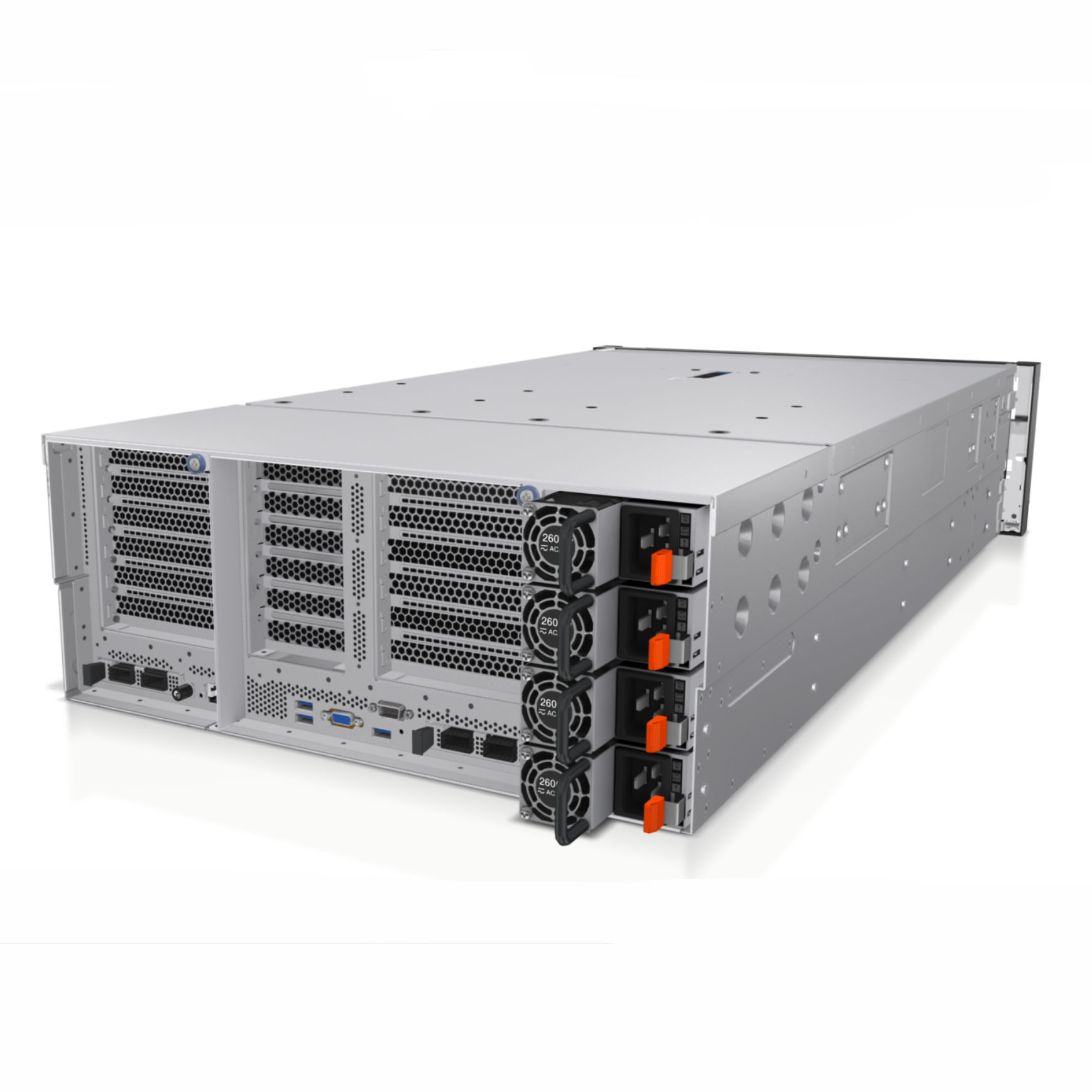
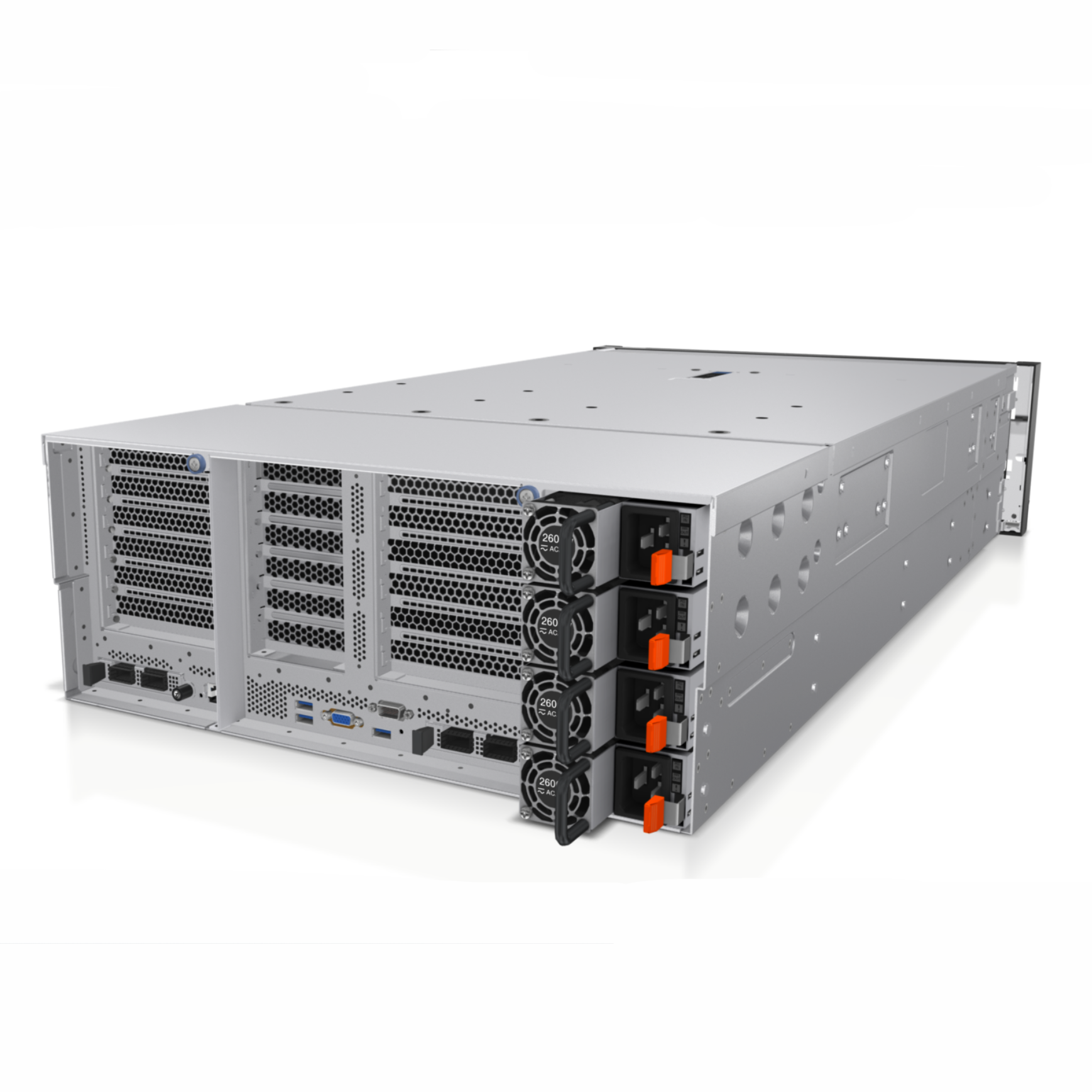
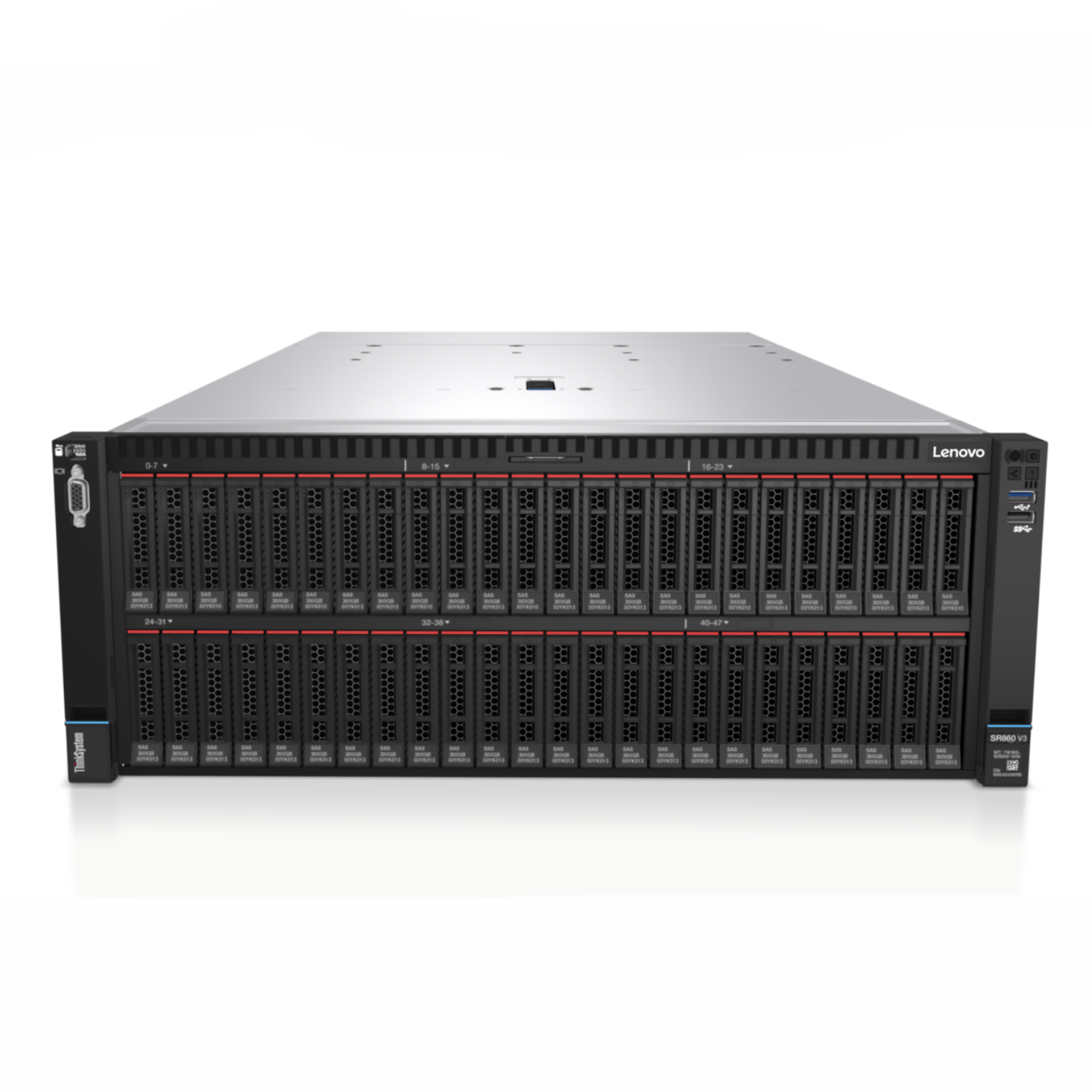
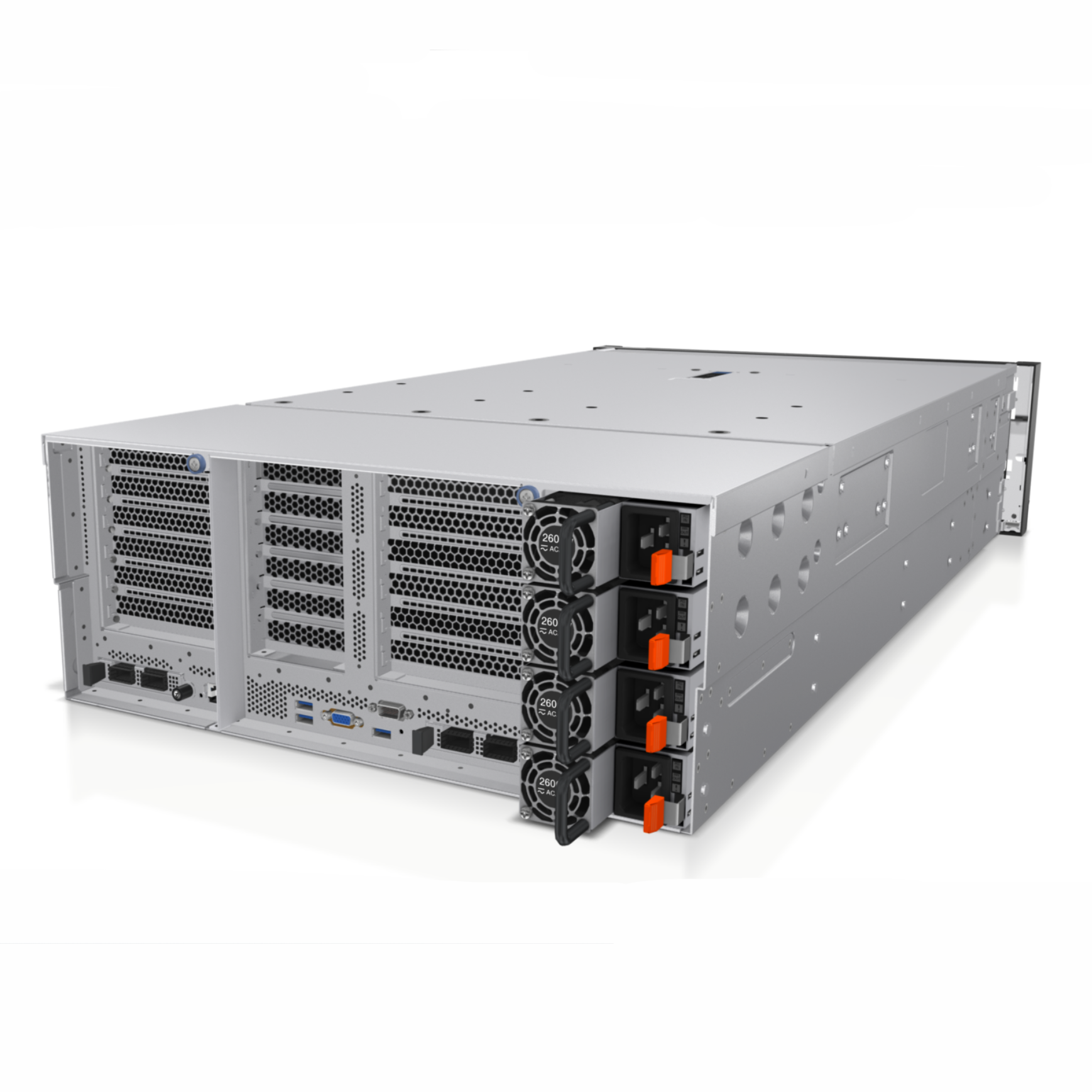
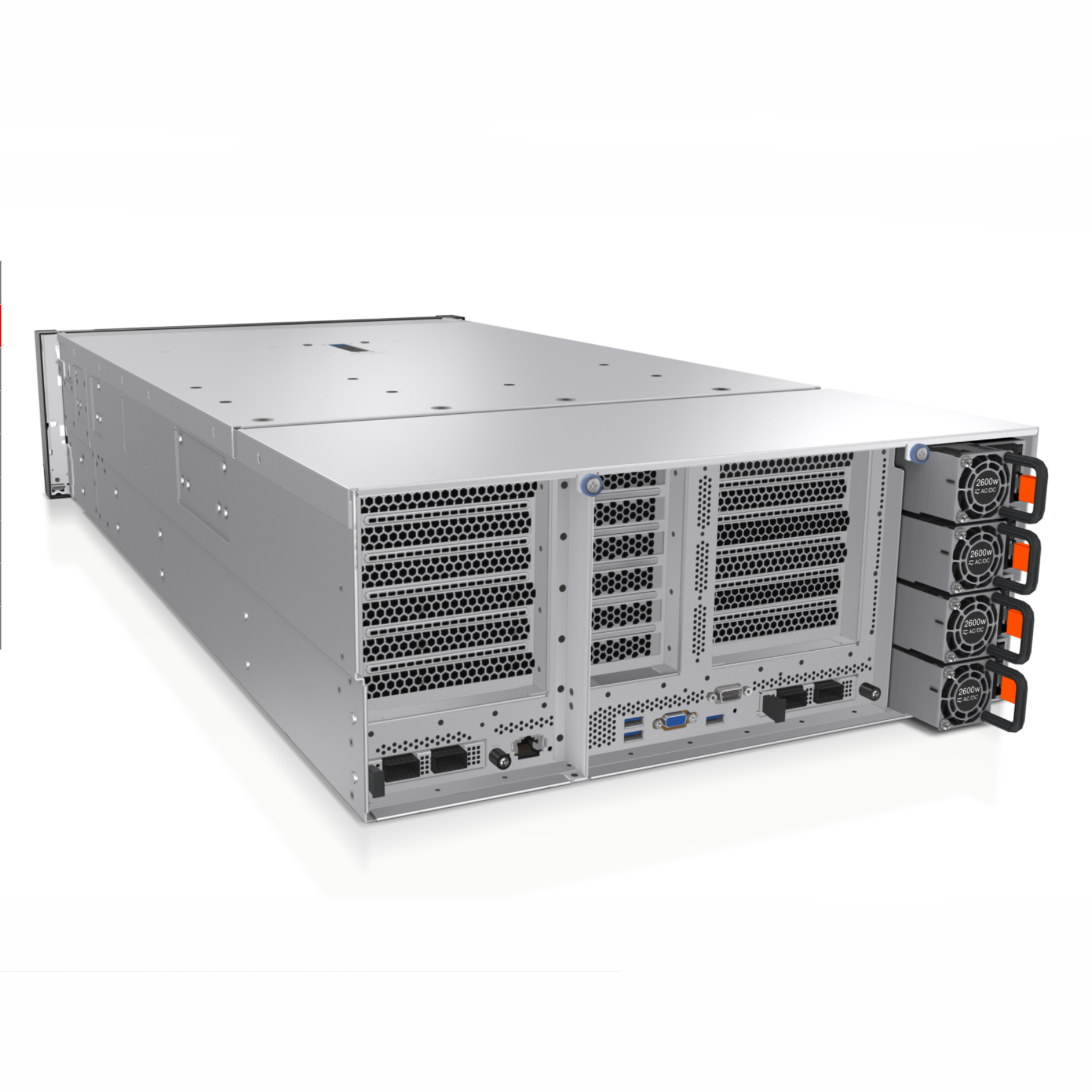
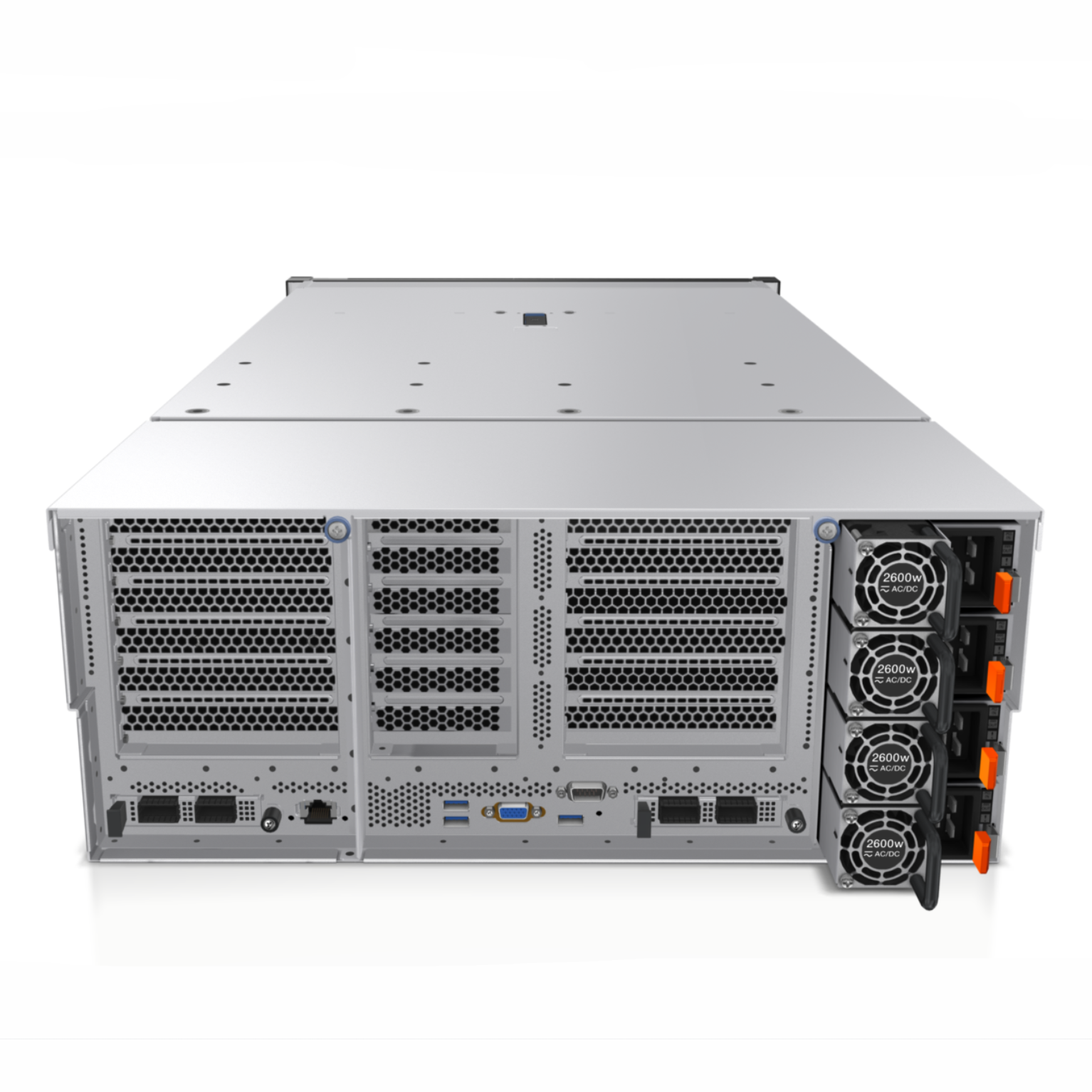
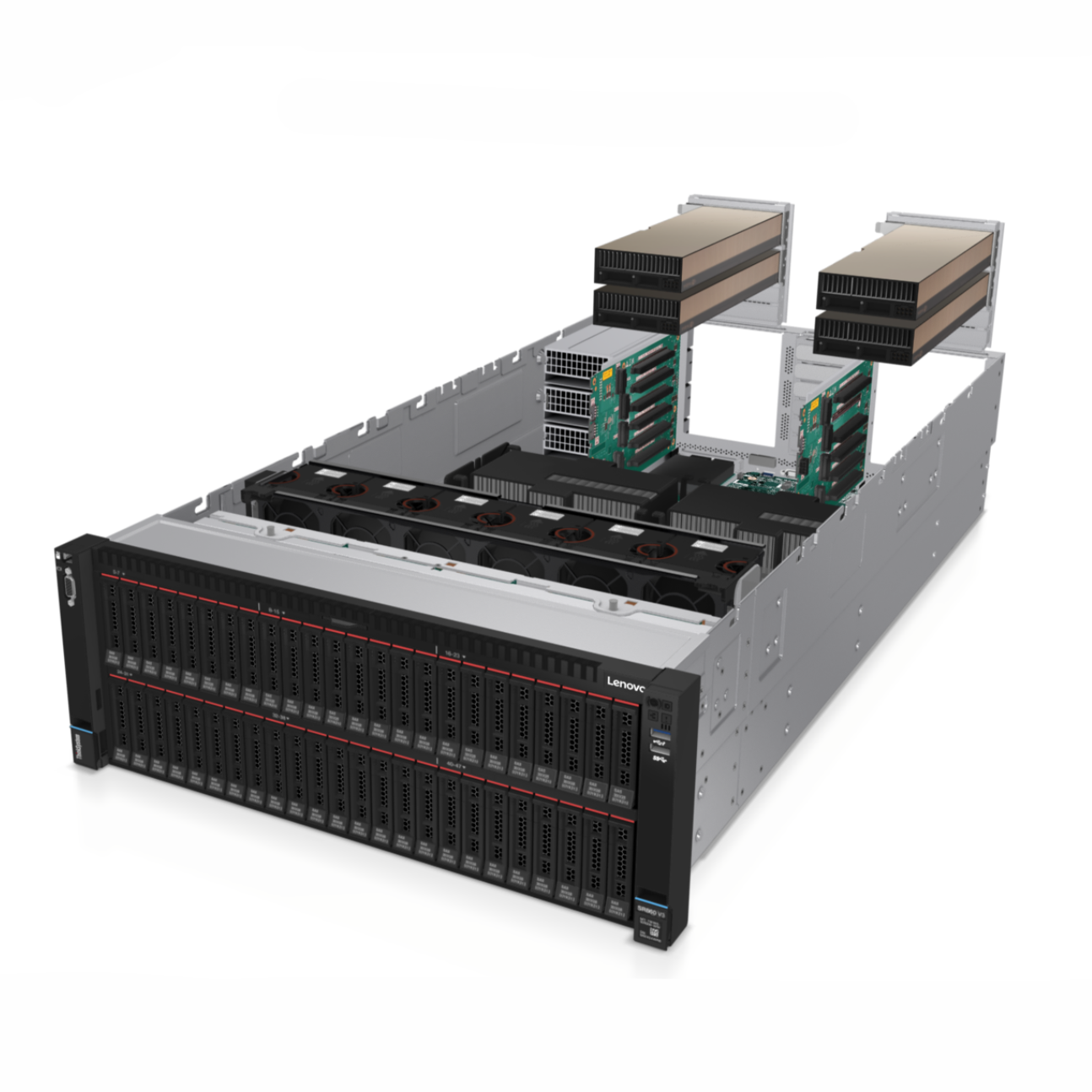
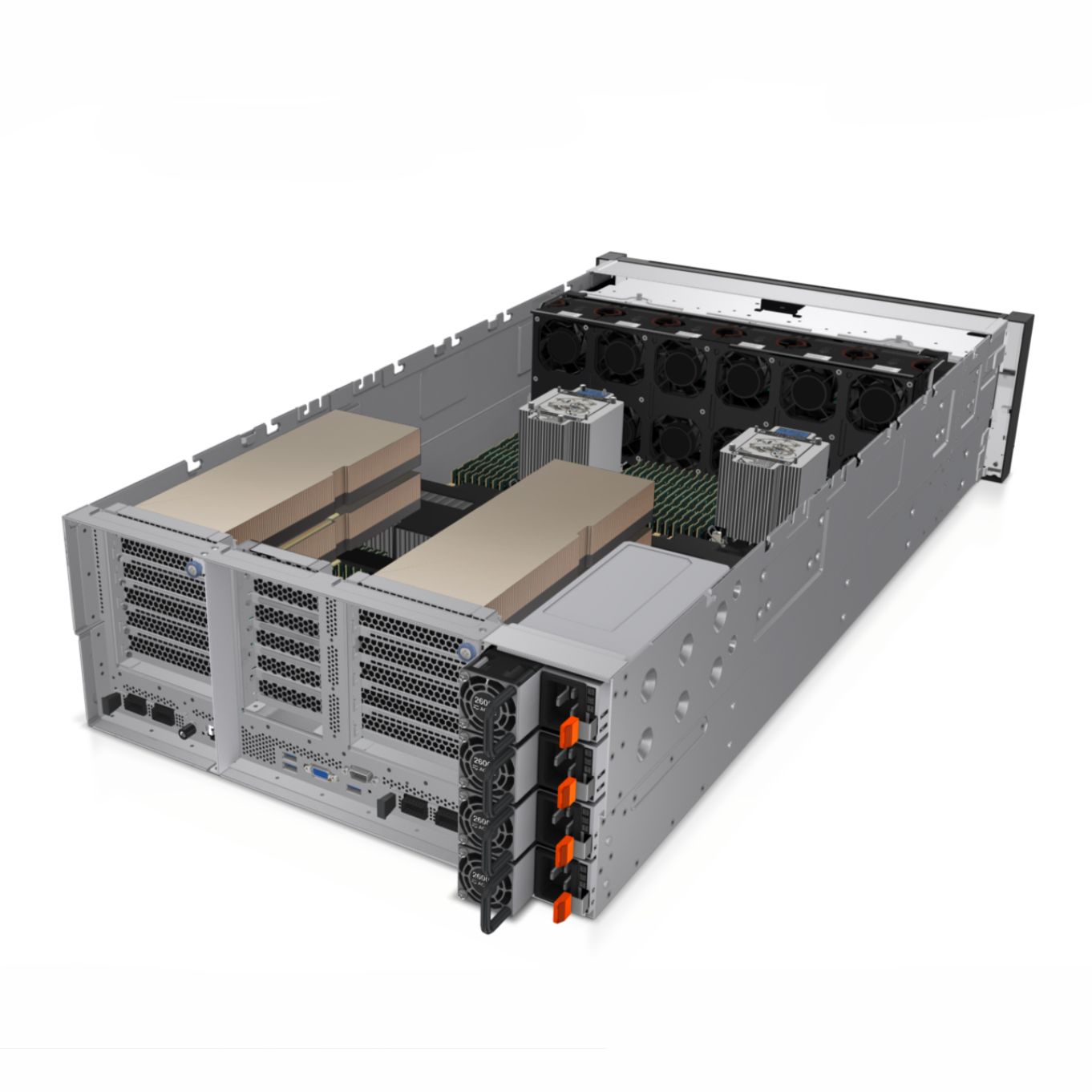
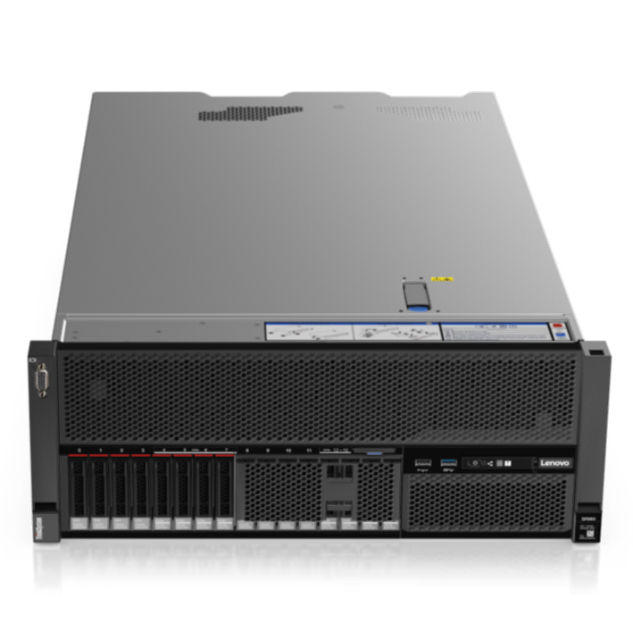
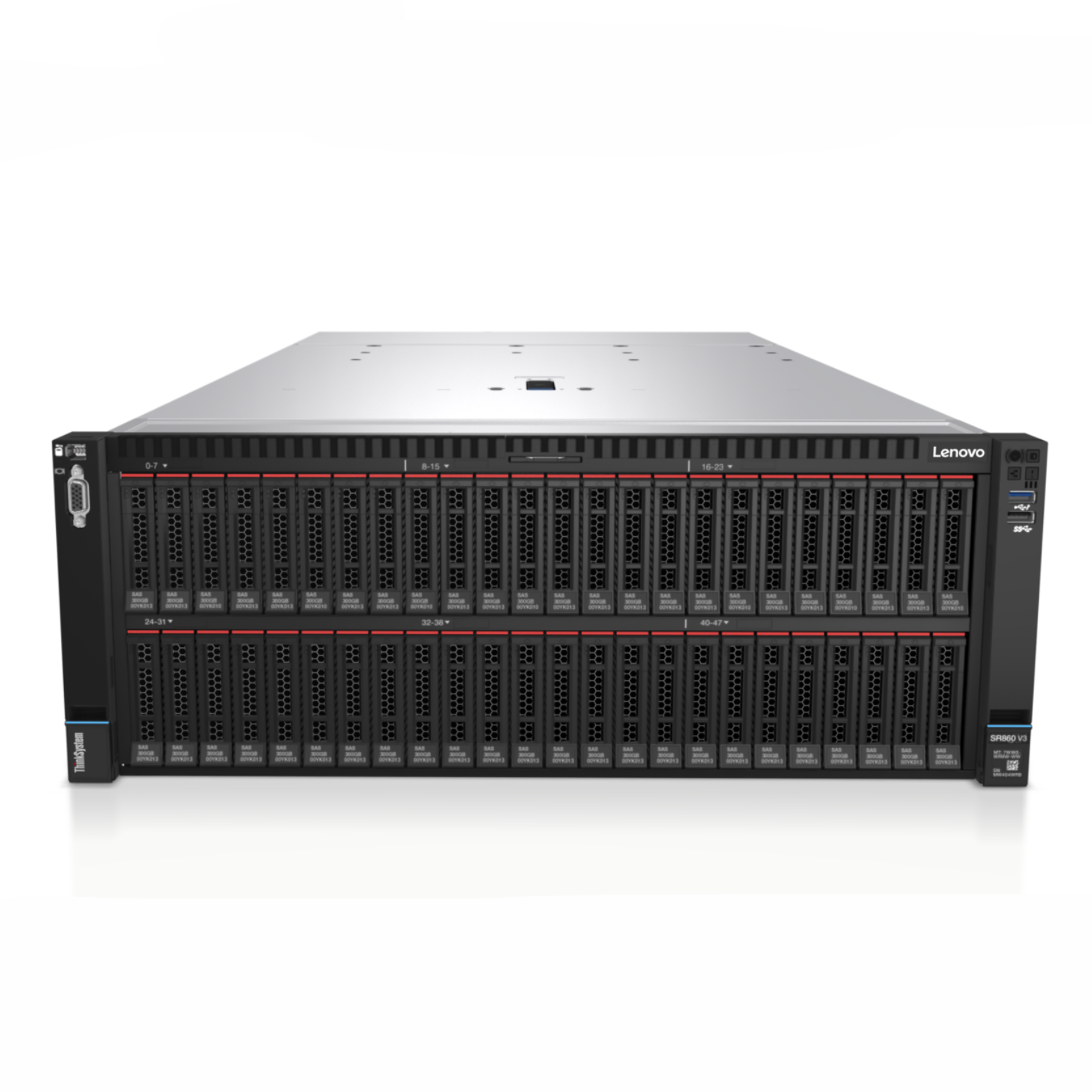
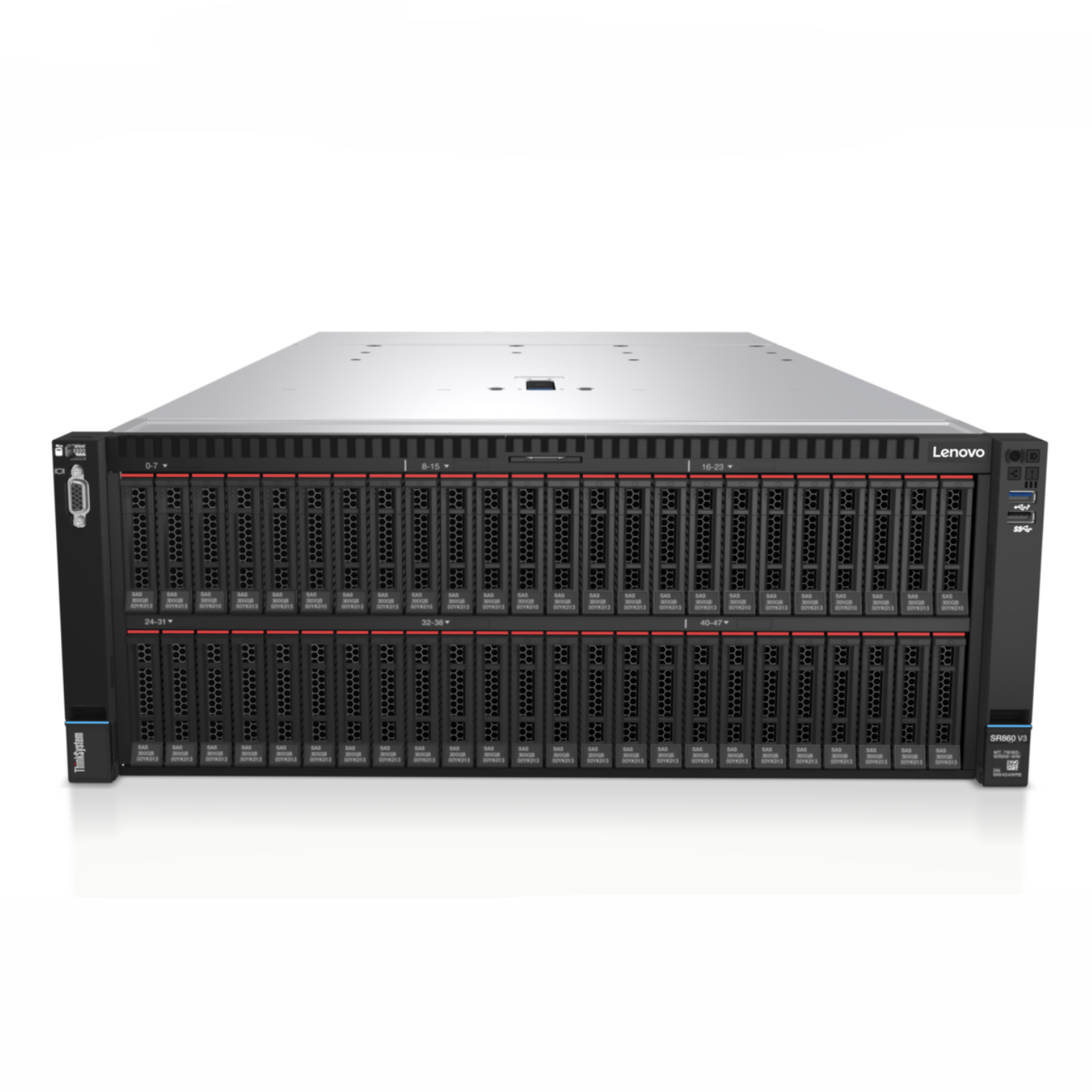
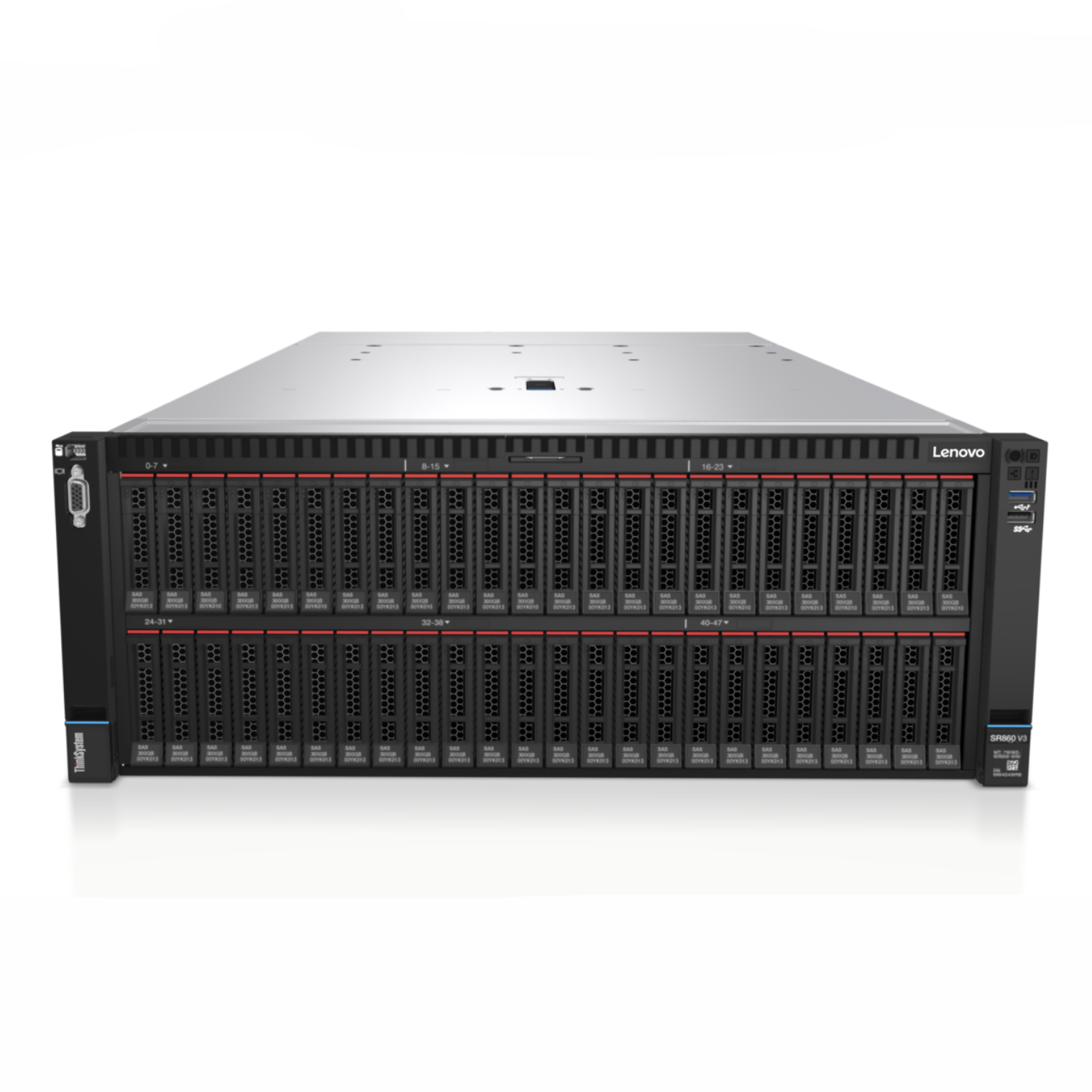
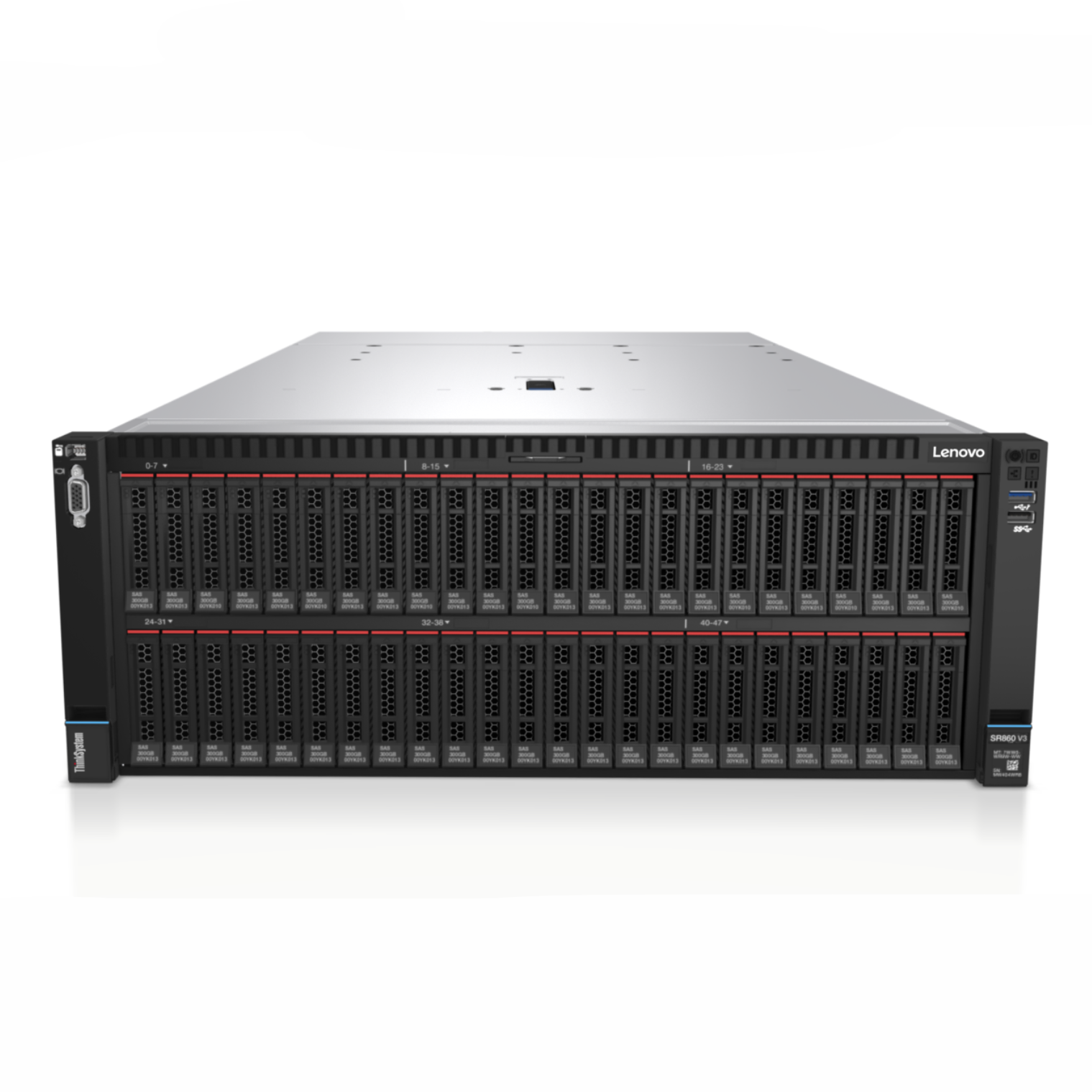
Engineer's Note: The ThinkSystem SR860 V3 is a 4U Rack Mount rack platform built around current-generation scalable compute, built on DDR5-4800. It is sized for high-performance computing and AI training nodes where memory capacity is as decisive as raw compute.
1. Memory subsystem: DDR5-4800, 96 DIMM slots. Large memory footprints keep in-memory databases and VM farms off disk-based swap, which is often the single biggest lever on latency. Populating DIMM slots in matched sets also unlocks full interleaving bandwidth.
2. Compute density: 44 cores per processor. In a consolidated environment, per-socket core count determines how many VMs or containers each node can absorb before scheduling contention appears. Sizing the compute tier correctly the first time avoids the classic trap of overbuying "just in case" and paying for idle silicon.
3. 4U Rack Mount form factor: the chassis height sets the expansion budget — full-height PCIe slots for GPUs and HCAs, and drive bays for local boot or cache tiers. It determines how the platform evolves over its 5–7 year service life.
4. Storage architecture: RAID via 0,1,5,6,10,50,60. The controller and bay layout decide whether the box becomes an all-NVMe compute node or a capacity-oriented storage server. Either way, hot-swap carriers mean drive replacements happen without downtime.
5. Deployment fit: the ThinkSystem SR860 V3 is typically deployed as high-performance computing and AI training nodes. Its subsystem balance — compute, memory, storage, and networking in proportion — is what separates a purpose-built node from a general-purpose box that excels at nothing.
When the requirement is high-performance computing and AI training nodes, the ThinkSystem SR860 V3 is engineered so no single subsystem bottlenecks the rest. the storage layer protects data integrity, and the management plane keeps operational overhead flat as you scale. Each unit is fully tested before dispatch, and our team supports bulk deployments with configuration guidance and consolidated pricing.
Q: Which rails and rack accessories do I need?
A: The server requires model-matched rail kits for your rack type (round-hole, square-hole, or threaded). Confirm your rack specification when ordering — we can include the correct rail kit and cable management arm.
Q: Does it come with an OS installed?
A: Units ship hardware-tested without an OS by default. We can pre-install common enterprise Linux distributions or VMware ESXi on request — specify your preference in the quote form.
Q: Do you offer bulk pricing for multi-unit orders?
A: Yes — cluster deployments and multi-unit orders receive consolidated pricing and coordinated logistics. Request a quote with your target quantity for a same-week response.
Q: Can this server be shipped internationally?
A: Yes, we ship worldwide with export-compliant packaging. Transit insurance and appropriate power cables for your region are included on request.
Q: What management features does it include?
A: The platform includes an out-of-band management controller (remote console, health telemetry, firmware updates) standard on this generation, so hardware can be administered without an OS or a site visit.